

scrub beefwood
- noun
- Australian
- The scrub beefwood is prized for its dense, reddish timber used in cabinetry.
Examples
-
Fragrant flowers make scrub beefwood a notable feature in native plant gardens.
-
Wildlife often seek shelter beneath the spreading branches of scrub beefwood in the Australian outback.
-
The scrub beefwood is native to Australia.
-
Many scrub beefwoods grow in arid regions.
-
The scrub beefwood tree blooms with fragrant, creamy-white flowers during the spring.
-
Carpenters appreciate scrub beefwood for its heavy and durable reddish wood.
-
In Australia, the scrub beefwood provides essential shade for local wildlife.
Synonyms

A tree from Australia with shiny leaves, clusters of creamy white flowers, and hard reddish wood
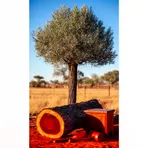
A tree from Australia with hard, reddish wood used for tools and furniture

A tree or shrub from tropical places, especially Australia, that makes hard heavy red wood
Surface Forms
Morphology
The meaning is directly compositional: 'scrub' (low, shrubby vegetation) modifies 'beefwood' (a tree/shrub yielding dense timber), so the phrase denotes a beefwood that is shrubby or found in scrub. This straightforward noun-noun compound follows common compounding patterns and would be inferable to a learner who knows both constituent words, despite its botanical specificity.
Etymology
Scrub beefwood may come from two simple ideas: scrub for the low bushes where it grows, and beefwood because the heavy wood is dark red like raw beef. So the name helps you remember it is a small Australian tree with hard, reddish wood.

