
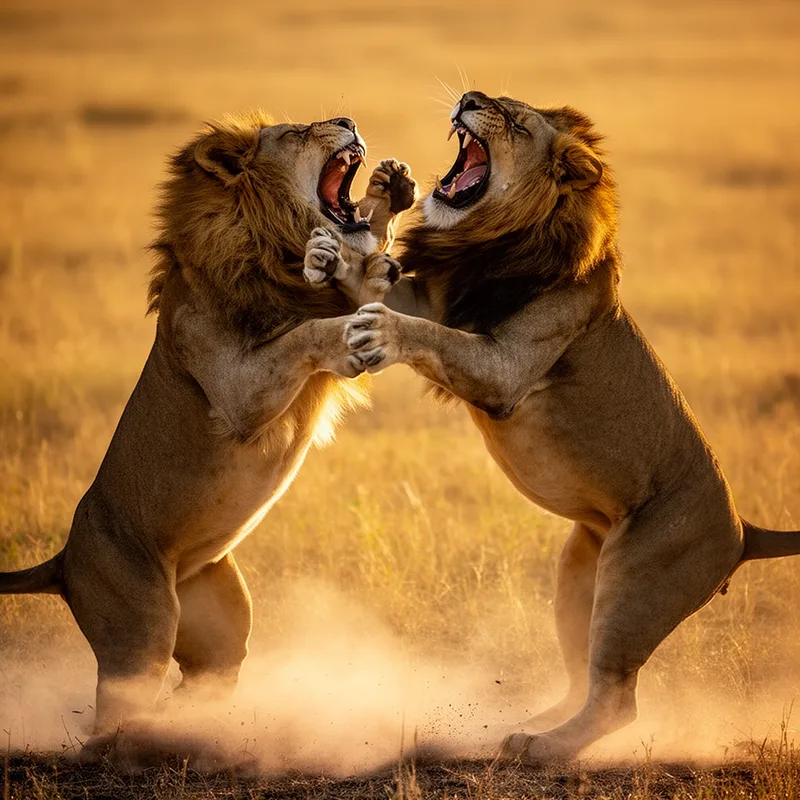
to savage
 16
6.8
16
6.8

- verb
- /ˈsævɪdʒ/
- NSFW
- He savaged his opponent's argument during the debate, pointing out several flaws and inconsistencies.
- savaged by critics
- get savaged
- savaged by the press
Loading YouTube…
Watch on YouTubeTwitter enables gossip, reputation, savaging and innuendo unconstrained.
- Twitter enables gossip, reputation, savaging and innuendo unconstrained.
Examples
-
The popular press savaged Yeltsin for statements such as this.
Academic text (1998) -
Emigration, increasing pauperization, and undercapitalization of industry savaged the social landscape.
Academic text (1990) -
I'm going to savage this right now.
-
We savage them.
-
No group in the electorate is having their future savaged worse by Obama than the younger generations.
Blog text (29) -
The true story of our Christian heritage has been savaged by the secular religionists of the 20th century.
Blog text (23) -
Whatever the merits of particular proposals, as an overarching framework, the green economy has been widely savaged by green activists.
Academic text (2012) -
She's a sort of guerrilla in her own shifting frontier, raiding, savaging, not bothering with a flag.
Fiction book (1993) -
The film was savaged by critics who found the plot to be both predictable and dull.
-
After the scandal broke, the politician was savaged by journalists during the press conference.
Synonyms
 70
5.8
70
5.8
To say very bad things about someone or something
 61
5.3
61
5.3
To strongly criticize someone in public
 32
8.0
32
8.0
To criticize someone or something very harshly, often in public
 29
5.8
29
5.8
To attack someone strongly in speech or writing
 23
8.2
23
8.2
To say angry, insulting things about someone or something
 16
8.0
16
8.0
To attack violently, upset someone deeply or criticize them strongly
 7
9.3
7
9.3
To criticize someone publicly to make them feel ashamed

Attack someone with strong words in public

Strongly insult someone in front of others to embarrass them
Antonyms


Compounds

How Violent
- NSFW
29
7.2

- NSFW
16
6.8
- Formal
16
8.0
548
3.2
701
3.3
Surface Forms
Etymology
Savage as a verb comes from Old French sauvage, from the Latin silva meaning 'wood' or 'forest'. To 'savage' someone is like a wild animal from the woods attacking or destroying, which helps explain the modern meaning to attack or criticize very harshly.