
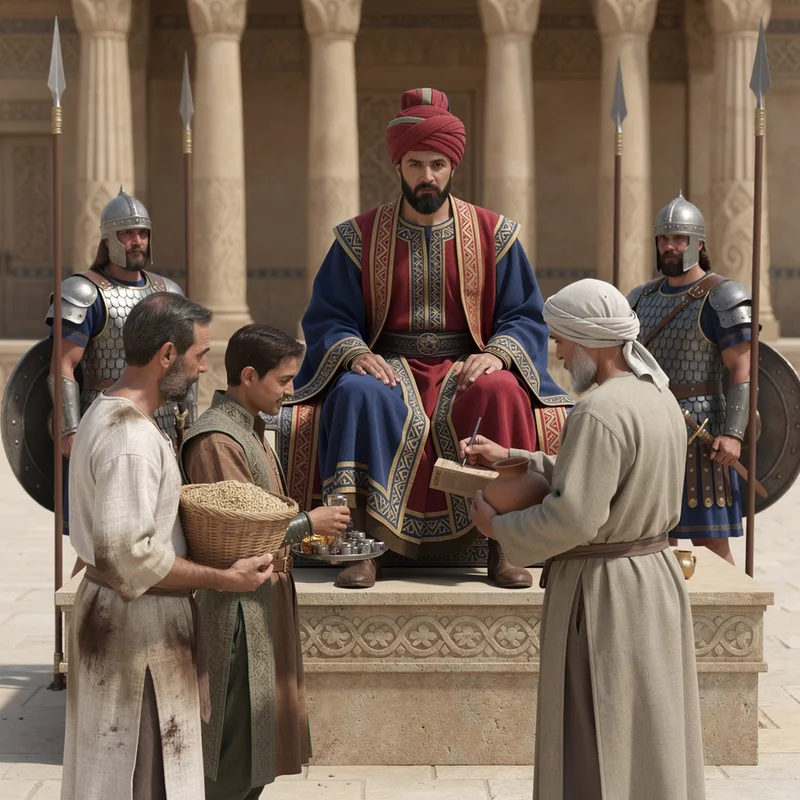
satrap
 1
9.9
1
9.9

- noun
- /ˈseɪtræp/
- The satrap of Lydia was responsible for collecting taxes for the Persian Empire.
- local satrap
Examples
-
He fixed the tributes of each satrapy, designating tribute-collectors and traveling inspectors, called the "eyes and ears" of the great king, to watch over the satraps and army commanders.
Academic text (2007) -
You're dealing with a very powerful satrap.
-
Well, what did it matter anyway? She was just a satrap after all, another toiling ant in the service of the empire.
Fiction book (2000) -
Then you won't make a very good satrap, will you, Cleitus?
-
Each was governed by a local satrap, a khashthrapavan, or vassal king.
Academic text (2007) -
In my opinion, it sometimes has to do with overzealous regional satraps who want to please the top brass in Tashkent.
Blog text (21) -
Given the extent of the ruins, they suspect it may have served as the headquarters for the Persian governor, or satrap, of the province of Bactria.
Academic text (2011) -
As the satrap of Media, he implemented several reforms to improve trade and agriculture.
-
In ancient Persia, each satrap governed a region and reported directly to the king.
Surface Forms
Etymology
The word satrap comes from an old Persian title xšathrapāvan, made of two parts: xšathra meaning 'kingdom' and pāvan meaning 'protector'. So, a satrap was originally a 'protector of a province', a governor who ruled locally and collected taxes, which is why today it means a powerful regional ruler.