
saponin


 1
9.1
- noun
- /ˈsæpənɪn/
- Specialized
- Many health supplements contain saponins, which are believed to boost the immune system.
- saponins and protease inhibitors
Examples
-
Project scientists have purified saponins from two different native Kazakhstan.
Academic text (2005) -
How it works: The saponin-enriched ruscus extract does two things.
Blog text (19) -
I'm going to start with the saponins that are present in the formula.
-
The saponins are known to enhance the animal's immune response to the antigens.
Academic text (2005) -
- Soap, saponins, gelatin
-
These preliminary results demonstrate potential for developing effective avian influenza and Newcastle disease vaccines with locally developed rather than imported saponins.
Academic text (2005) -
ISCOMs are composed of antigens extracted from whole viruses and combined with lipids and plant saponins.
Academic text (2005) -
Gac seed and peel were also found to possess antioxidant activities, which might be due to rich trypsin inhibitor compounds, saponins, and phenolic content.
Academic text (2018) -
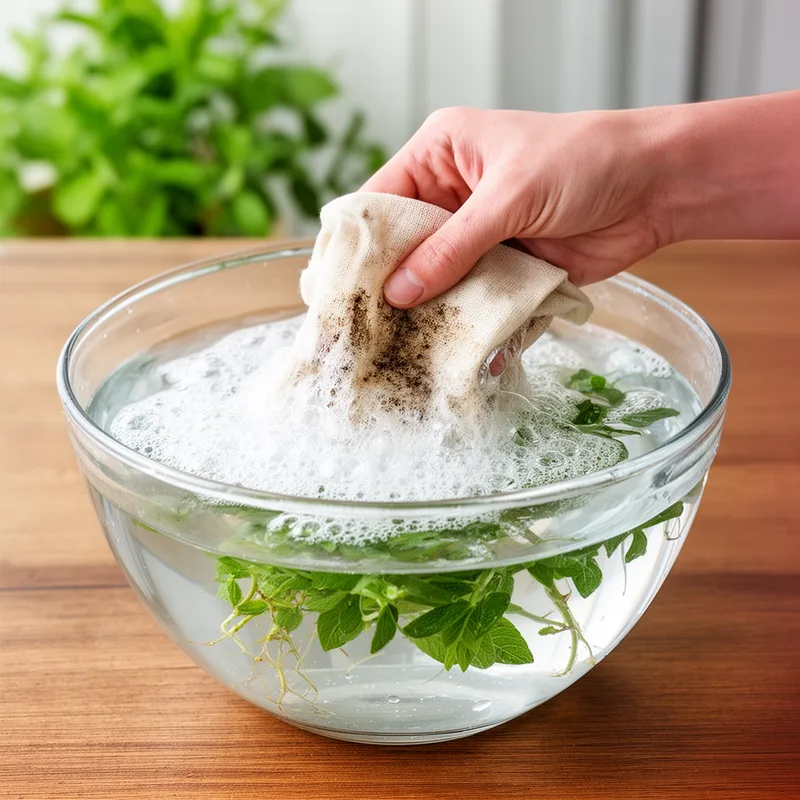
Saponins are used in many natural products because they create a foamy lather when mixed with water.
-
Commercial detergents often include saponins due to their ability to emulsify oils and dirt.
Synonyms

A substance that acts like soap and foams in water
Surface Forms
Morphology
saponin = soap (semi-transparent) = sapon + in
The meaning relates to 'soap' plus the chemical noun suffix '-in', but the combining form 'sapon-' and the suffix may be unfamiliar to many learners, so the link is somewhat obscured.
Etymology
Saponin comes from the old Latin word sapo, which means 'soap'. These plant compounds make a soap-like foam in water, so they are used as natural cleaners and foaming agents.