
sansei


 1
9.2
- noun
- /sænˈseɪ/
- US
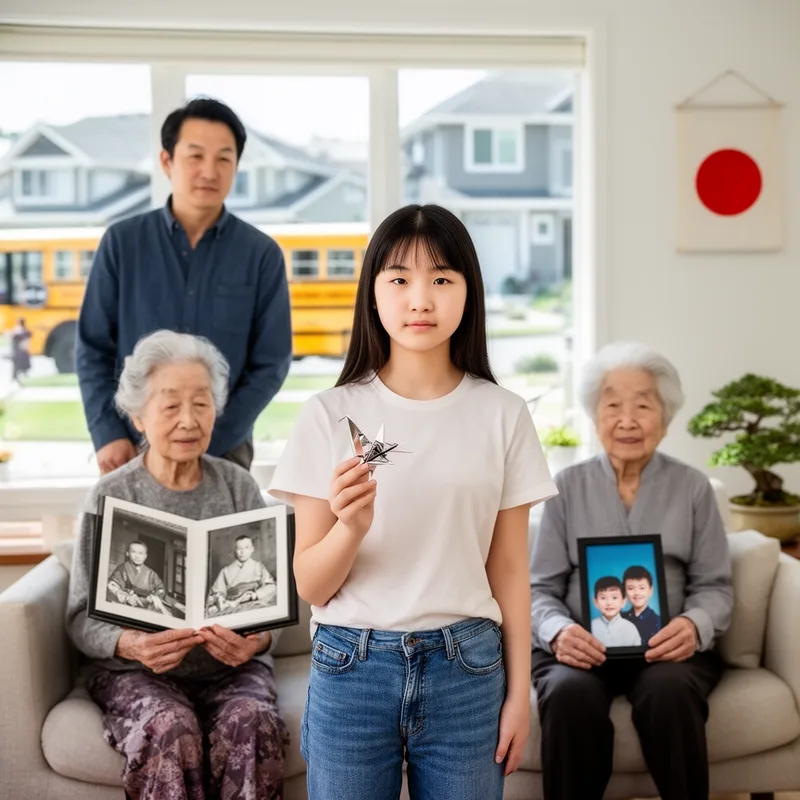
- For Japanese Americans, there are specific terms taken from Japanese to refer to the immigrants and their descendants: issei, nisei, sansei, yonsei, gosei, etc., referring respectively to the "first" generation, "second" generation, etc.
Examples
-
It didn't matter that he was a Sansei and they were Overseas Chinese and Southeast Asian.
Fiction book (2002) -
A nice-guy type, patterned after a mellow California sansei.
Fiction book (1998) -
Still, like many young-old Sansei, she is asking, "Who will take care of me?"
Blog text (34) -
Sansei retiree Maggi Yaguchi of Long Beach knows well what it means to care for an aging parent.
Blog text (34) -
There is a minimum two-year waiting list at Keiro, and the residents include older Nisei, Sansei, and Shin Issei immigrants.
Blog text (34) -
(Part II of this two-part series, "Who Will Take Care of Aging Sansei?" delves into what science and educators have learned about the world's aging populations.)
Blog text (34) -
The researchers further conjectured that the "greater acceptance of other races by sansei and nisei" and an acute desire to "overcome the limitations of race" at a time when race seemed so determinative motivated their mixing.
Academic text (2003) -
"I suspect it is a kind of vengeful arrogance toward his own country that causes him to allude to these four volumes, as well as to some ten others of cultural interpretation, in only the sketchiest terms; moreover, Keene's career as a sansei or venerable...
Academic text (1994) -
Many Sansei have grown up in a culture that blends both American and Japanese traditions.
-
As a Sansei, Anna feels a strong connection to her family's history despite not speaking Japanese.
Surface Forms
Etymology
Sansei comes from Japanese parts san- meaning 'three' and -sei meaning 'generation' or 'born'. It names the third generation of people of Japanese descent born outside Japan, so sansei literally means 'third generation'.