

rumbling
 75
3.2
75
3.2

- noun
- /ˈrʌmblɪŋ/
 :
retumbo
:
retumbo
- Although both measures were swiftly defeated, they set off rumblings across the country.
But less than an hour later, I felt the rumbles.
- But less than an hour later, I felt the rumbles.
- Also, like I was saying on the Albion one library Spitfire audio, there's a lot of low end rumble that happens after the strings.
- So like when you're inside, you don't hear like the traffic going by and all of that stuff, but you could still hear like a deeper rumbling, right?
- John and I are in our tent and I'm pretending to sleep and I hear when I was rumbles.
Examples
-
The sound grew and became the uneven rumbling of a plane's engines.
Fiction book (1990) -
We danced and danced until noontime when we heard the rumbling of my father's truck coming.
Fiction book (1993) -
But then the rumbling became very loud, running in toward them over the plain.
Fiction book (1998) -
The babies were between cries, and the children suspended play while the rumbling continued.
Fiction book (1993) -
Gradually, they could hear the voices resume, heard the low rumblings of arguments, but controlled now.
Fiction book (1994) -
There was a sporadic rumbling whoosh, like the sound of the sea within a coiled shell.
Fiction book (1993) -
Congo's revolution actually began with subdued rumblings for political reform in early 1990.
Academic text (1994) -
With a great mechanical churning and rumbling, the train bore Saneko away from Shiojiri station.
Fiction book (1996) -
The lightning was closer now, and thunder was audible, low rumblings not quite absorbed by the hostel's thickened walls.
Fiction book (1990) -
We could hear a deep rumbling in the distance as the storm approached.
Synonyms
 ∞
1.0
∞
1.0
A loud, unpleasant sound that disturbs you
 218
2.7
218
2.7
A long deep sound from drums or thunder
 142
1.0
142
1.0
A loud deep continuous sound made by animals, crowds, or machines
 85
1.0
85
1.0
A low steady sound made by machines or many people
 36
4.1
36
4.1
A low, quiet sound made by people speaking softly or by small movements
 30
3.4
30
3.4
A deep loud sound like an animal or thunder
 29
3.1
29
3.1
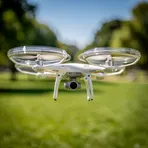
A low, continuous sound you can feel
 16
6.7
16
6.7
To make a soft, steady buzzing sound often from things that move fast like fan blades
 11
3.4
11
3.4
A low continuous sound made by voices or nature
 5
2.7
5
2.7
A low steady sound like bees or a machine running
 2
2.7
2
2.7
A long low dull sound like distant thunder
 1
4.4
1
4.4
A low sound your stomach makes when you are hungry

 1
3.7
1
3.7
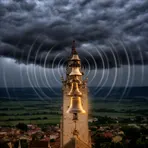
A deep continuous sound like thunder or large bells
Antonyms


How Loud

Surface Forms
Morphology
Etymology
The word rumbling comes from the simple sound word rumble, which copies a deep, rolling noise like 'boom' or 'hum'. So a rumbling is a long, low sound you might hear from thunder, a train, or an empty stomach.