

to rub it in
 34
7.2
34
7.2

- phrasal verb
- Informal
 :
restregar (algo) a alguien
:
restregar (algo) a alguien
- I don't know why you feel the need to rub it in.
- rub it in their faces
- just rub it in
- go and rub it in
Examples
-
Losing 9-2 was bad enough, but you had to go and rub it in!
Fiction book (1997) -
After he lost the match, his friends didn't need to rub it in by reminding him of his poor performance.
-
You just wanted to rub it in.
-
No need to rub it in.
-
What if she thinks I am eating there just to rub it in her face?
Blog text (13) -
You don't have to rub it in.
-
Mendez knows it and loves to rub it in.
Fiction book (1994) -
I'm going so I can rub it in Bethany's face.
-
- Andy, please, don't rub it in.
-
Don't rub it in.
Synonyms
 12
4.5
12
4.5
To make a bad situation worse by saying or doing something that hurts someone more
 1
6.6
1
6.6
To make someone's bad feelings worse by reminding them of a disappointment
 1
3.6
1
3.6
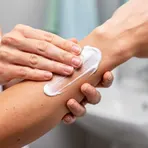
To press something into a surface, for example cream into skin or words into someone's mind

To hurt someone by reminding them of an embarrassing thing they did
Antonyms

Surface Forms
Morphology
rub + it + in
The literal meanings of 'rub' (to stroke repeatedly) and 'in' (into) give a metaphorical image of forcing something to 'sink in', so a learner might infer a sense of repeatedly emphasizing a fact. However, the specific pragmatic sense of gloating or needlessly reminding someone of their failure is a culturally loaded, idiomatic extension that is not fully predictable from the parts, so it is only partially transparent to B1 learners.
Etymology
Rub it in comes from the sharp image of someone rubbing salt in a wound, which makes the pain worse. So when someone 'rubs it in' today they remind you of a mistake in a way that makes you feel worse.