
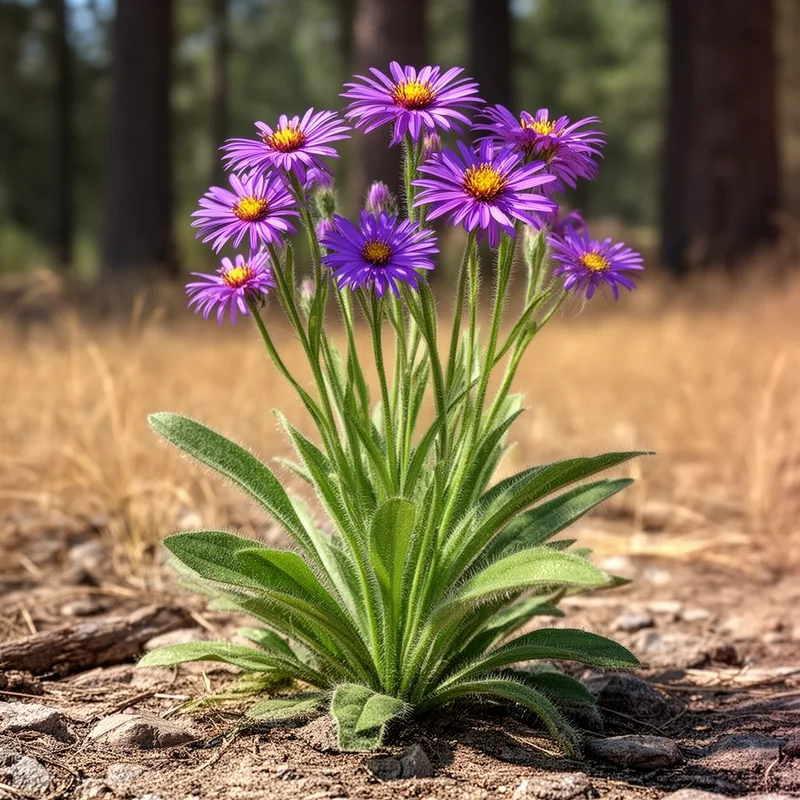
rough-leaved aster
- noun
- Specialized
- The rough-leaved aster blooms in late summer along forest edges in western North America.
Examples
-
The hairy leaves help the rough-leaved aster retain moisture in dry habitats.
-
Gardeners appreciate the rough-leaved aster for its hardiness and attractive flowers.
-
The rough-leaved aster blooms beautifully in the fall.
-
Many gardeners love the rough-leaved aster for its vibrant color.
-
Gardeners appreciate the rough-leaved aster for its hardiness and attractive flowers.
-
The rough-leaved aster blooms in late summer along forest edges in western North America.
-
The hairy leaves help the rough-leaved aster retain moisture in dry habitats.
Surface Forms
Morphology
rough-leaved + aster
The phrase is a straightforward descriptive compound: 'rough-leaved' transparently means 'having rough leaves' and 'aster' is a known flower, so the combined meaning ('an aster with rough leaves') is directly derivable. This adjectival + noun pattern is a common, compositional naming pattern (especially in botanical terms) and would be clear to a B1 learner who knows the constituent words.
Etymology
Rough-leaved aster comes from the plant's rough, hairy leaves and its star-shaped flowers. So rough and leaved describe the leaves and aster means 'star', which is why the name tells you it is a plant with rough leaves and star-like flowers.

