
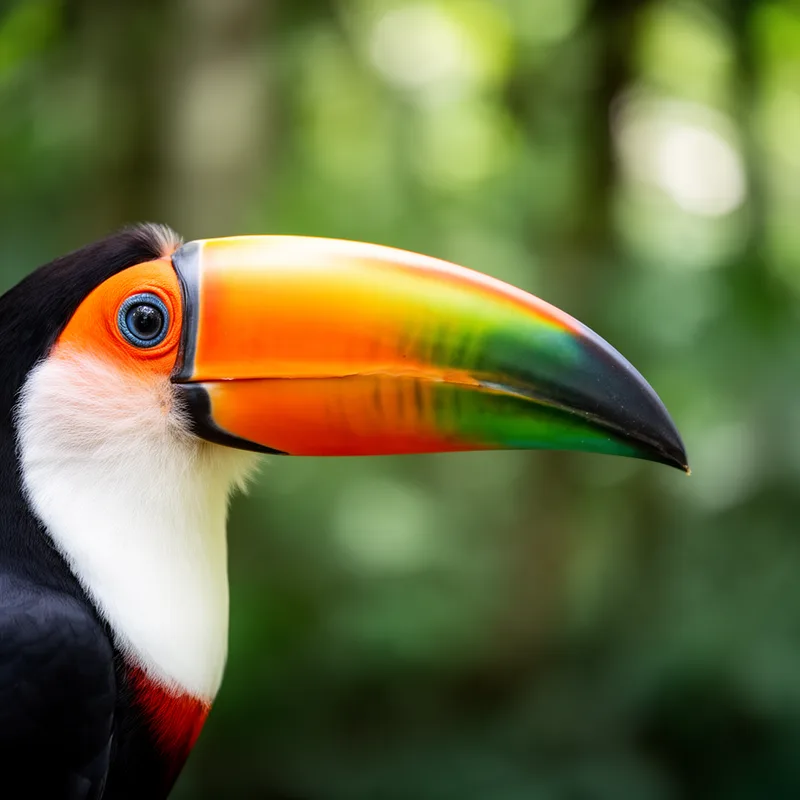
rostrate
9.9
Having a beak or a long pointed snout
- adjective
- Specialized
 :
rostrado
:
rostrado
- Fossils show that ancient reptiles had rostrate snouts, adapted for catching fish.
Examples
-
The bird's rostrate beak helped it reach into the flowers for nectar.
-
Some species of turtles exhibit a rostrate shape that aids in their foraging behavior.
-
You see they come from the most rostrate part of this particular region of the neural Crest.
Synonyms

beaked
vsrostrate
 1
4.4
1
4.4

Having a part shaped like a bird's beak
includes either a bill or an extended snout rather than only a bill
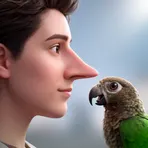
beaky
vsrostrate

 1
7.2
1
7.2
Having a long pointed nose that looks like a bird's beak
covers bill or snout projections and is not only about a prominent nose

beaklike
vsrostrate
5.8
Having a shape like a bird's beak
is used also when the head has a snout, not only a bill
How Beaklike

Surface Forms
rostrate positive
Morphology
rostrate = rostrum (opaque) = rostr + ate
The adjective is formed from the Latin stem 'rostr-' plus '-ate', but 'rostr-' is not a productive or familiar English base, so learners cannot reliably derive the meaning.
Etymology
Rostrate comes from the Latin word rostrum, which means 'beak'. So something rostrate has a 'beak-like' or pointed front, like a bird's beak or a fish's snout.