
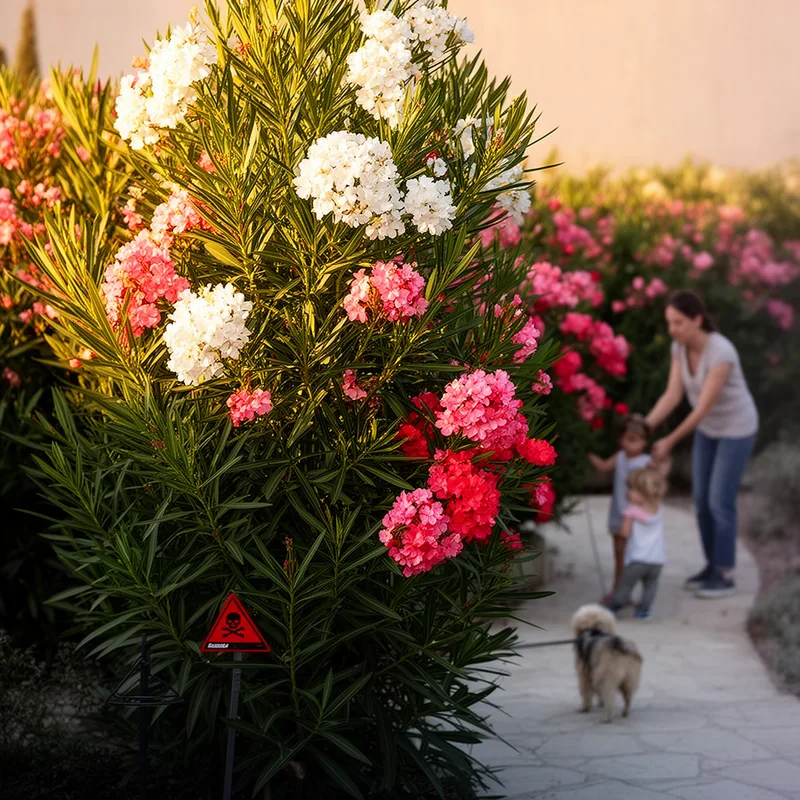
rose bay
- noun
- /roʊz beɪ/
- UK
- Great laurel or rose bay (Rhododendron maximum)
- laurel or rose bay
- Great rose bay
Examples
-
In many warm regions, the rose bay is a popular choice for adding beauty to landscapes due to its vibrant blooms.
-
My column this time centers on R. maximum, most commonly known as great laurel or rose bay.
Academic text (2009) -
The garden is filled with colorful plants, including the beautiful rose bay that flourishes with fragrant flowers.
-
The rose bay is not only admired for its stunning blossoms but also known for its poisonous qualities.
Synonyms

 3
8.2
3
8.2

A poisonous evergreen bush with narrow leaves and sweet-smelling pink or white flowers
A poisonous evergreen bush with groups of fragrant white, pink or red flowers
Surface Forms
Morphology
rose + bay
Although 'rose' evokes a flowering shrub, 'rose bay' is a conventional plant name whose specific properties (an evergreen, poisonous shrub with clustered fragrant flowers) are not predictable from 'rose' plus the ambiguous element 'bay' (undefined here). Plant common names are often lexicalized and language-specific, so a B1 learner knowing the constituents would be unlikely to infer toxicity, growth habit, or exact identity.
Etymology
Rose bay may come from a simple picture: its flowers look like small roses and its shiny leaves look like those of a bay tree. That's why the name now points to a pretty, showy shrub that is actually poisonous.