
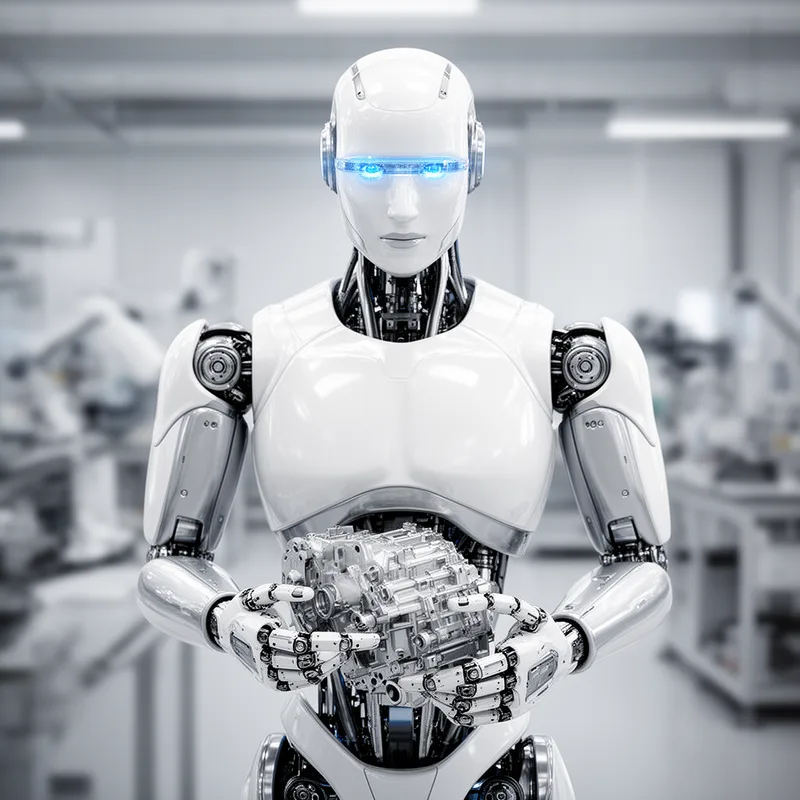
robot
 454
2.6
454
2.6

- noun
- /ˈroʊbɑt/
- The engineer programmed the robot to assist with surgical procedures.
- modular robots
- autonomous robots
- a joystick-driven robot
Loading YouTube…
Watch on YouTubeYeah, that could be what the robot is faced with doing.
- Yeah, that could be what the robot is faced with doing.
- So how many robots are there in the hive?
- We have space for a robot, Steve.
- But what if the robot says, please don't turn me off?
- It's it's a new rolling leaping robot and what is its name?
- They're saying the AI robots will will take over the world.
- It was between them, the robot and their carers and their teachers.
- These people don't think they're robots, I don't think.
- Look, it's got like robot parts glued to it.
- Well, they were trying to get this robot sex brothel started.
Examples
-
After those five months of work, Andrew's success at driving the robot showed considerable improvement.
Academic text (2011) -
Atlas is a robot that is capable of using human tools.
-
And finally, what about our favorite robot dog, Spot?
-
Well, the problem is that our robot can change its mind.
-
Now you see how fundamental these robots are to our foreign policy.
-
I've learned building a robot is much like making a cake.
-
Disperse and explore: Many small robots cover more territory than a single large one.
Academic text (2011) -
The full potential of the swarm concept, with perhaps thousands of robots, is yet to be realized.
Academic text (2011) -
A robot vacuum cleaner automatically cleans the floors every day.
-
The factory used a robot to assemble the parts with precision.
Synonyms
 57
6.8
57
6.8
A machine that looks and acts like a human
 4
7.9
4
7.9
A machine that moves on its own and acts like a person or animal
 1
7.5
1
7.5
A machine made to look and act like a person
Compounds
- Specialized
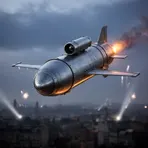
A missile with wings and a jet engine that carries explosives to a target without a person on board

- Specialized
An automatic machine that controls a ship, plane or spacecraft without a person
How Advanced

Surface Forms
Etymology
The word robot comes from the Czech word robota, which means 'forced work' or 'drudgery'. It was first used in a 1920 play by a Czech writer, and because robota meant heavy work, robot now means a machine that does hard or boring tasks for people.