

rickets
- noun
- /ˈrɪkɪts/
- Specialized
- Vitamin D deficiency can cause rickets, which is softening of the bones, particularly during development.
Loading YouTube…
Watch on YouTubeI think that my the rickets, you can't, we can't.
- I think that my the rickets, you can't, we can't.
- And also it's even more insane because as a child he had rickets so like, which is like a, a, a like a leg like thing.
Examples
-
Ancient doctors noted that Roman children often developed bowed legs, a symptom of rickets brought on by a diet that consisted of little but bread.
-
Many children in areas with limited sunlight are at risk of developing rickets due to insufficient vitamin D.
-
And also it's even more insane because as a child he had rickets so like, which is like a, a, a like a leg like thing.
-
And when I started, there weren't many labs measuring vitamin D and the only cases you saw were these rickets and osteomalacia.
-
This is, as you'll recognize, Andy Hoffman, who was visiting him and the child has rickets and alopecia.
-
A lack of vitamin D in children can lead to rickets, resulting in weakened bones that may cause deformities.
-
Parents should ensure their children receive enough sunlight to prevent rickets and its effects on bone development.
Synonyms

A childhood disease where bones become soft from lack of vitamin D
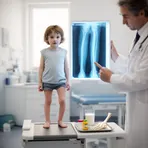
A bone illness in young children caused by not having enough vitamin D that makes bones weak or deformed
Surface Forms
Etymology
Rickets probably comes from an old English word meaning 'to twist' and is related to the common word rickety, which means 'weak' or 'shaky'. So rickets is a name that points to how the disease makes children's bones soft, weak, and often bent.

