
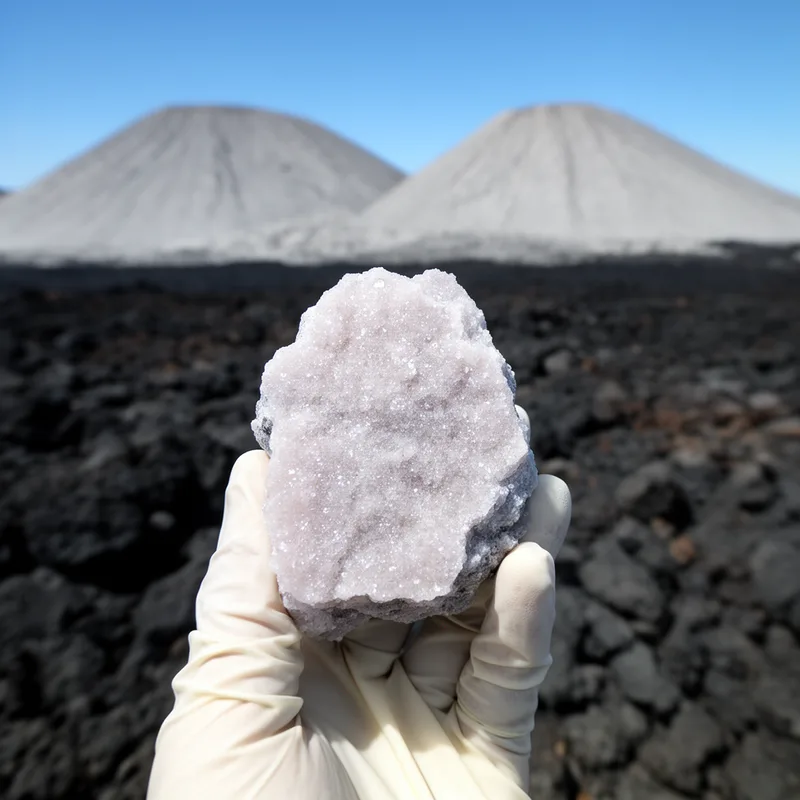
rhyolitic


 1
9.5
- adjective
- /ˌraɪəˈlɪtɪk/
- Specialized
- The volcano is known for its rhyolitic lava flows that create stunning, light-colored formations.
Examples
-
Though the feed is the subducting plate, the eruption was almost completely rhyolitic.
Blog text (34) -
Researchers studied the rhyolitic composition of the rock samples collected from the eruption site.
-
He explained how rhyolitic eruptions typically produce thick, pasty lava that can block vents.
Synonyms
 4
7.4
Rock like granite that forms when hot, melted rock cools
 1
8.1
Containing a lot of silica, like some rocks and volcanic magma

Light-colored igneous rock or mineral high in silica and feldspar
How Silica-rich

Surface Forms
Morphology
Etymology
Rhyolitic comes from the rock name rhyolite, which was built from a Greek root rhy- meaning 'flow' and the ending -lite meaning 'stone', like in meteorite. So rhyolitic describes a light-colored volcanic rock made from flowing lava, which is why geologists use the word for silica-rich volcanic stones.