

reverberative
- adjective
- /rɪˈvɜːrbəreɪtɪv/
- In the mountains, her voice had a reverberative quality, echoing off the rocky cliffs.
Examples
-
The hammers dropped again and again, the dull reverberative thump sucked up in the baffle of the trees.
Blog text (12) -
The concert hall is known for its reverberative sound, allowing the music to resonate beautifully throughout the space.
-
The empty warehouse had a reverberative atmosphere, causing every sound to bounce off the walls.
Synonyms

 23
4.9
23
4.9

Very loud and clear, or very strong and complete when talking about success
 7
5.6
7
5.6
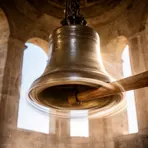
A deep clear sound that lasts for a while
 2
4.5
2
4.5
Having sounds that repeat and ring in a large empty room
 1
8.0
1
8.0
A space that makes sounds continue and repeat like an echo

A sound that continues as echoes, like church bells in a valley

A sound or place where noises repeat and seem louder
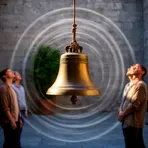
A deep, clear sound that continues or a strong effect that stays with you
Antonyms


How Reverberant

Surface Forms
Morphology
reverberative = reverberate (transparent) = reverberate + ive
The adjective is a regular derivation from the verb 'reverberate' with the productive suffix '-ive', so its meaning is directly predictable.
Etymology
The word reverberative comes from Latin parts re- 'back' and verberare 'to strike', so it means sound that is 'struck back' around a space. That's why a reverberative voice or room sends sounds out and then back again, like a long echo that fills the hall.