
retrolental
- adjective
- /ˌrɛtroʊˈlɛntəl/
- Specialized
- A large number of babies who were incubated developed retrolental fibroplasia (RLF), now referred to as retinopathy of prematurity (ROP), and many became blind or had severe low vision.
- retrolental fibroplasia
Examples
-
Vision may also be impaired by cataracts, especially in the "white eye" uveitis of seronegative arthritis in children, and by inflammatory membranes in the retrolental space produced during chronic iridocyclitis.
Academic text (1991) -
In 1942, retrolental fibroplasia was established on the medical horizon as a new disease of premature infants.
Academic text (2006) -
As the medical and public health community became more effective in the treatment of infectious diseases, they were confronted with a new challenge, retrolental fibroplasias (RLF), now known as retinopathy of prematurity (ROP).
Academic text (2006) -
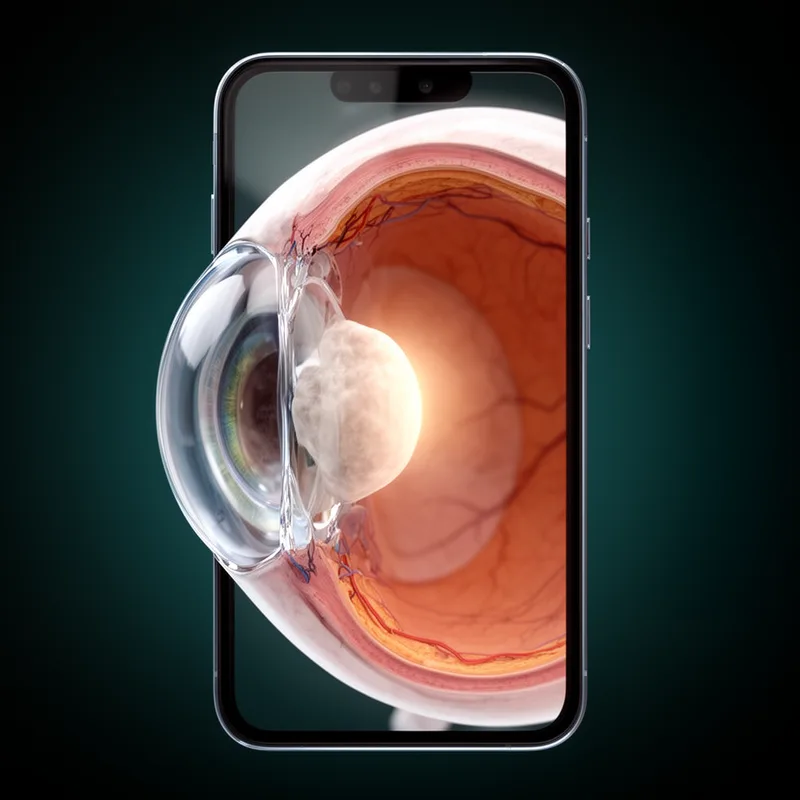
The condition causes abnormal blood vessels to form in the retrolental area of the eye.
-
Doctors diagnosed the infant with retrolental issues that affected his vision.
-
The retrolental region becomes problematic in certain eye diseases affecting premature babies.
Surface Forms
Morphology
retrolental = lens (transparent) = retro + lent + al
Formed by the prefix 'retro-' (behind) attached to a lens-related base (lent-/lens) with adjectival '-al'; the meaning 'behind the lens' is directly deducible.
Etymology
Retrolental comes from retro- ('back') and lens ('the clear part of the eye that helps you see'), so it literally means 'behind the lens' and is used for things located behind the lens of the eye.

