
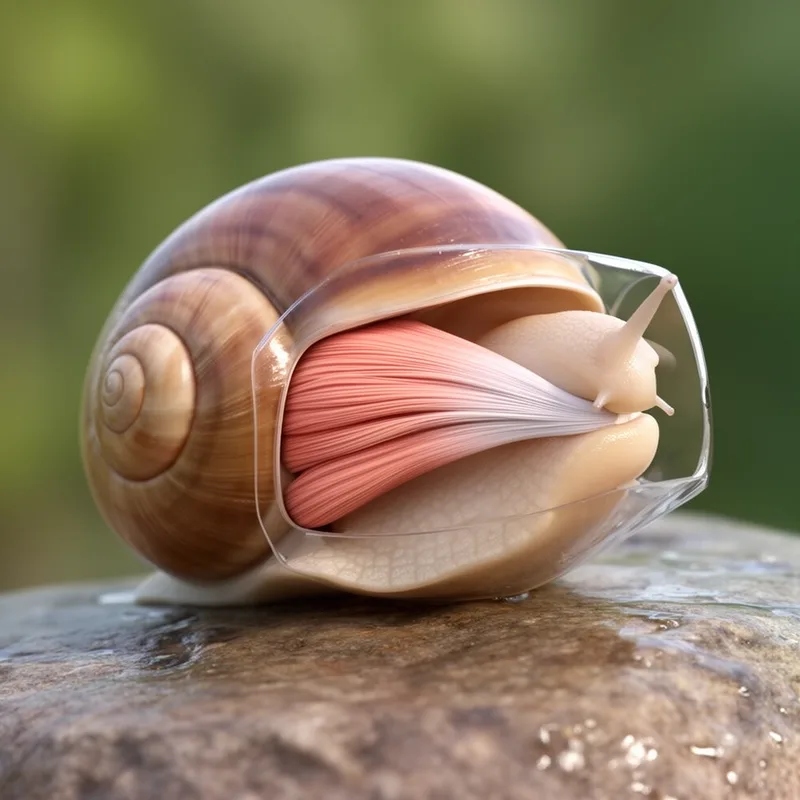
retractor muscle
- noun
- /rɪˈtræktər ˈmʌsəl/
- Specialized
- The retractor muscle helps to pull the tongue back.
Examples
-
The retractor muscle in some snails helps pull their body back into the shell for protection.
-
After surgery, the patient's retractor muscle took several weeks to regain normal function.
-
Veterinarians studied the retractor muscle to understand how certain animals control limb movement.
-
Many animals have a strong retractor muscle in their limbs.
-
The retractor muscle helps the turtle draw its head back into its shell for protection.
-
During the dissection, we observed how the retractor muscle operates to pull the organ inward.
-
When startled, the octopus uses its retractor muscle to quickly retract its tentacles.
Surface Forms
Morphology
The compound is largely compositional: 'retractor' denotes an agent that retracts and 'muscle' denotes tissue that moves a body part, so the phrase literally means a muscle that pulls something back. However, 'retractor' is also commonly known as a surgical instrument and the term is technical/anatomical, so the exact sense may not be fully predictable to a B1 learner without some domain knowledge.
Etymology
The noun retractor muscle comes from a simple image: the word retractor means a part that 'pulls back', and a muscle works like a small rope to 'pull back' an organ or body part. That's why retractor muscle means a muscle that draws something back toward the body.

