
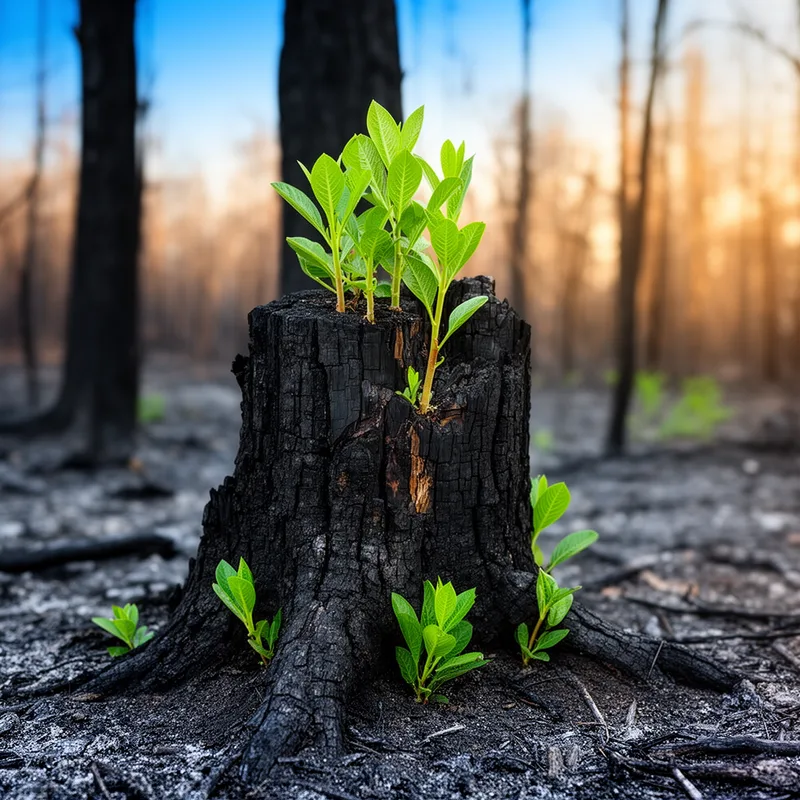
to resprout
- verb
- /ˌriːˈspraʊt/
- The gardener was pleased to see that the herbs would resprout even after a hard frost.
Examples
-
These plants can be burned to the ground and yet resprout vigorously a season later.
Blog text (6) -
The remaining species usually survive bushfires, either because they have very thick bark that protects the trunk from fire, or because they have lignotubers from which they can resprout after fire.
Blog text (30) -
After being trimmed, the rosebush began to resprout new leaves within a few weeks.
-
If you cut the ferns back in the fall, they will resprout beautifully in the spring.
Synonyms

 43
5.3
43
5.3

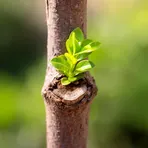
Grow back a body part or damaged tissue
 7
3.7
7
3.7
To make new parts after being cut or damaged, as plants and animals do
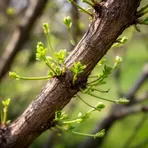
To grow small new stems or branches from a plant
How Much

Surface Forms
Morphology
Etymology
Resprout combines the prefix re- 'again' with the familiar word sprout, which means 'a young shoot' or 'new growth'. So to resprout is to grow new shoots 'again' after a plant has been cut, burned, or damaged.