
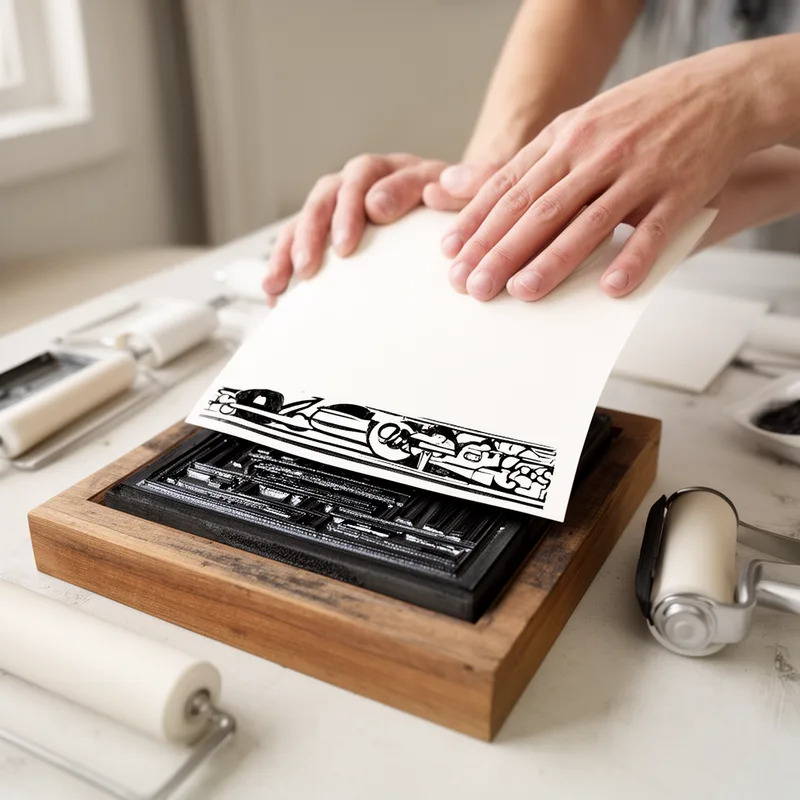
relief printing
- noun
- /rɪˈlif ˈprɪntɪŋ/
- Specialized
- The relief printing process was devised by printmakers in Provincetown, Massachusetts, and gets its name from the distinctive line that separates each of the shapes within the printed image.
Examples
-
I love the texture of relief printing on paper.
-
Many early books were produced using relief printing techniques like woodcut and letterpress.
-
Modern artists sometimes revisit relief printing to achieve distinctive textured effects in their work.
-
The artist used relief printing to create bold, high-contrast images on the poster.
-
Have you ever tried relief printing before?
-
Several new products on the market promise to make relief printing easier.
-
New surfaces and tools are making relief printing easier and simpler.
Synonyms
 3
7.2
3
7.2

A way of printing using raised letters inked and stamped onto paper

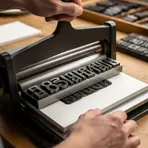
A printing method that uses soft raised plates to print on materials like plastic or paper
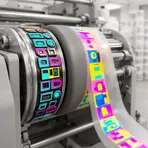
A printing method that moves an image from a raised plate to a roller before printing on material
How Raised

Surface Forms
Morphology
The compound is compositional: 'relief' (a raised or projecting surface) combined with 'printing' yields the meaning of printing from raised surfaces, so a learner who knows both words can infer the method. Although somewhat technical, this follows a regular noun–noun formation and has clear equivalents in other languages, making the sense accessible to a B1 learner.
Etymology
Relief printing comes from the image of a stamp: the ink sits on the raised parts called the relief, and these parts press onto the paper to make the picture. That's why relief printing means 'printing from raised surfaces'.