
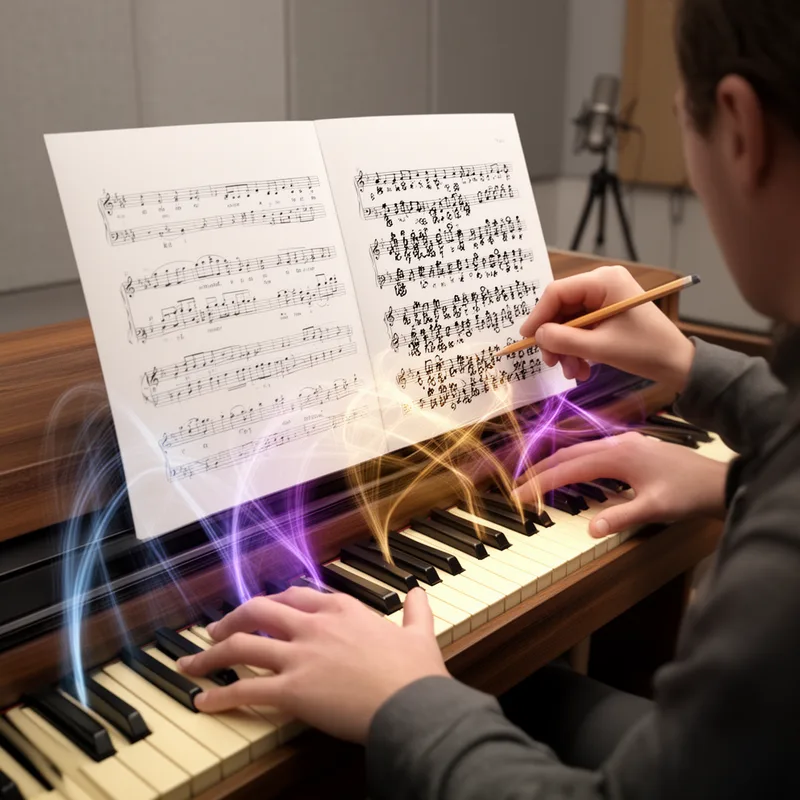
reharmonization
- noun
- /ˌriːˌhɑːrmənaɪˈzeɪʃən/
- Specialized
- The jazz pianist performed a reharmonization of the standard, giving it a fresh harmonic structure.
Examples
-
Many arrangers use reharmonization as a tool to reinterpret familiar songs in unique ways.
-
The reharmonization of the classic song brought a fresh sound.
-
Her creative reharmonization made the old folk tune sound completely new to the audience.
-
Many composers experiment with reharmonizations to enhance their music.
-
The musician's reharmonization of the classic song brought a fresh sound to the familiar melody.
-
After experimenting with different chords, the composer decided on a reharmonization that enhanced the emotional depth of the piece.
-
The reharmonization of the original score created a unique interpretation that audiences loved.
Synonyms

To combine voices or instruments so the notes sound good together

Giving a new sound or arrangement to music, speech and recordings
How Different

- Specialized
 4
3.9
4
3.9
 102
3.3
50
3.6
133
2.9
28
3.9
102
3.3
50
3.6
133
2.9
28
3.9
Surface Forms
Morphology
reharmonization = reharmonize (semi-transparent) = re + harmony + ize + ation
This is a standard noun formation from the verb 'reharmonize', meaning the process or result of that action.
Etymology
Reharmonization begins with re-, meaning 'again', and the rest comes from harmony, which means 'sounds that go well together'. So it means changing a song's harmony or making the harmony again to give the music a new sound.