
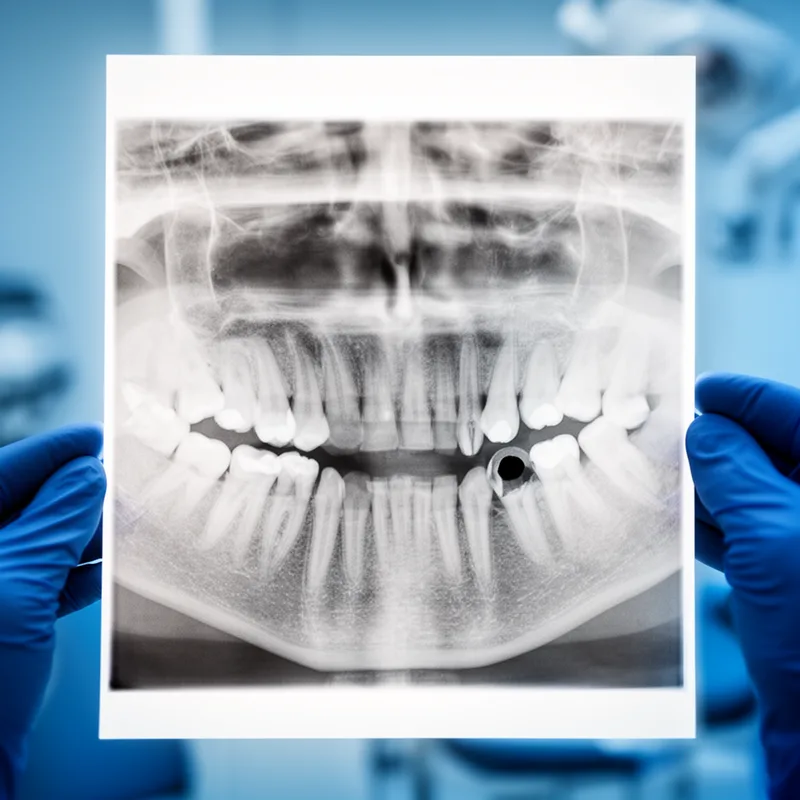
radiolucency
- noun
- /ˌreɪdiəˈluːsənsi/
- Specialized
 :
radiolucidez
:
radiolucidez
- A radiolucency in the lung X-ray suggested the presence of less dense tissue that needed further examination.
- multilocular radiolucency
Examples
-
Direct radiography can demonstrate multilocular radiolucencies in the involved bone.
Academic text (2003) -
For example, pneumopericardium can appear as a thin radiolucency along the cardiac border or aortic arch.
Academic text (2002) -
Typical radiologic findings include a sharp demarcation between radiolucency and radiopacity.
Academic text (2006) -
In addition, 74% of patients showed intramedullary radiolucency of the first metacarpal, suggesting silicone synovitis (12, 13).
Academic text (2011) -
The panoramic x-ray shows the multilocular radiolucency in the ramus ascendens and in the angulus mandibula on the right.
Academic text (2003) -
Preoperative AP x-ray showing large bony defect in the nasal area, with calcareous "eggshell"-like deposit surrounding the area of radiolucency.
Academic text (1996) -
A panoramic x-ray examination revealed multilocular radiolucency in the ramus ascendens and the angulus mandibula on the right (Figure 1).
Academic text (2003) -
The dentist pointed out the radiolucency on the X-ray, indicating a possible cavity in the tooth.
-
During the check-up, the doctor noted a significant radiolucency in the patient's upper jaw, raising concerns about bone density.
Synonyms


 1
9.9
1
9.9
A lighter area on an X-ray that shows body tissue is less dense
Antonyms

How Radiolucent
- Specialized

- Specialized
Surface Forms
Morphology
radiolucency = radiolucent (semi-transparent) = radio + lucent + ency
Formation from 'radiolucent' + '-ency' is regular, but the internal elements ('radio' meaning radiation rather than the common 'radio' device and the relatively rare 'lucent') are technical and may be unfamiliar to B1 learners.
Etymology
Radiolucency starts with radio- meaning 'ray', like the familiar radio, and ends with -lucency from a root meaning 'light' or 'to shine'. So a radiolucency is an area on an X-ray that lets the rays pass through and so looks dark on the image.