

psychoactive drug
 2
4.4
2
4.4

- noun
- /ˌsaɪkoʊˈæktɪv drʌg/
- Specialized
 :
droga psicoactiva
:
droga psicoactiva
- Top of the list is the use of psychoactive drugs such as nicotine, cocaine, caffeine, and amphetamines.
- use of psychoactive drugs
- alcohol as a psychoactive drug
But I think that's completely wrong was that people have been using psychoactive drugs to transcend their consciousness for God only knows how long.
- But I think that's completely wrong was that people have been using psychoactive drugs to transcend their consciousness for God only knows how long.
- Some of the very first people who volunteered to come in and try this new psychoactive drug were people who went on to become godfathers of the counterculture.
- I think what this speaks to is that ayahuasca or any psychoactive drug, not just psychedelics, but it happens in psychedelics.
- It could be helping make their their their psychoactive drugs work better.
Examples
-
In the summer of 1975, the truth about domestic experiments with psychoactive drugs, most pervasively lysergic acid diethylamide (LSD), began pouring out.
Academic text (1999) -
The human response to many psychoactive drugs—the ones I liked anyway—is linked to the creative process.
Fiction book (2002) -
Maybe this is where the overprescribed psychoactive drugs kick in.
Blog text (10) -
The growth of the illegal, psychoactive drug industry has had a dramatic impact on Colombia.
Academic text (1992) -
Marijuana is a psychoactive drug that has additional physiological effects.
Blog text (32) -
Psychoactive drugs (both therapeutic and recreational) are being investigated for potential epigenetic effects.
Academic text (2012) -
As documented earlier, fasting, body mutilation, and/or the use of psychoactive drugs are often parts of rites of passage.
Academic text (1994) -
Many people report improved focus after consuming a psychoactive drug like caffeine.
-
Research has shown that psychoactive drugs can alter perception and mood significantly.
-
The psychiatrist prescribed a psychoactive drug to help manage the patient's anxiety.
Synonyms
 3
4.8
3
4.8
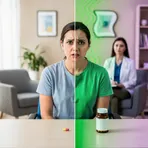
A drug that changes how a person thinks, feels, or sees things

 1
6.0
1
6.0
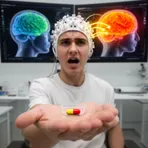
A drug that changes how you think, feel or act
 1
7.8
1
7.8
A chemical that changes a person's mood or thoughts
 1
7.7
1
7.7
A drug that changes how you feel, think, or see things
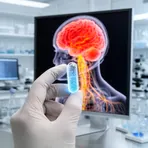
A drug or chemical that affects the brain and nerves
Antonyms

How Psychoactive
- NSFW
15
8.1

- Specialized
2
4.4
- Specialized
61
6.0
- Specialized
Surface Forms
Morphology
The meaning 'a drug that affects mental processes' is directly and compositionally derived from combining 'psychoactive' (alters mental functions) with 'drug' (a chemical substance). This adjective+noun pattern is transparent and cross-linguistically common, so a B1 learner who knows both constituents would readily infer the MWE meaning.
Etymology
Psychoactive drug comes from two parts: psycho meaning 'mind' and active meaning 'acts on', so it literally names a drug that 'acts on the mind'. That's why the term refers to drugs that change mood, thinking, or the way we see things.