
proteolytic
 1
9.3
1
9.3

- adjective
- /ˌproʊtiəˈlɪtɪk/
- Specialized
- Evidence from cachectic cancer studies suggests that HMB may inhibit the ubiquitin-proteasome proteolytic pathway responsible for the specific degradation of intracellular proteins.
- proteolytic enzymes
- proteolytic cleavage
- proteolytic activity
Examples
-
To reduce proteolytic degradation, separate vials were used for pollen and mold extracts.
Academic text (2003) -
A number of new developments have occurred in the analysis of proteolytic pathways with which HMB may interact.
Blog text (23) -
And that will block proteolytic activity here, OK.
-
This might be the body's response to deal with increased proteolytic activity so that balance is maintained.
Academic text (2007) -
Any questions about this mechanism of proteolytic degradation?
-
An increase in research has been directed towards possible proteolytic pathways that HMB may operate through.
Blog text (23) -
Endosomal lysosomes contain a wide array of proteolytic enzymes and are sites for cellular protein breakdown.
Academic text (1992) -
The proteins are then digested to peptides with trypsin or other proteolytic enzymes and analyzed using standard proteomics.
Academic text (2016) -
However, these enzymes may also contribute to additional effects, such as by activating protease-activated receptors on cell surfaces or regulating the activity of other proteins through proteolytic cleavage, among other effects.
Academic text (2018) -
If a protein misfolds, it is usually readily degraded into its harmless components by special proteolytic enzymes in the cell.
Compounds

- Specialized

 1
4.4
1
4.4
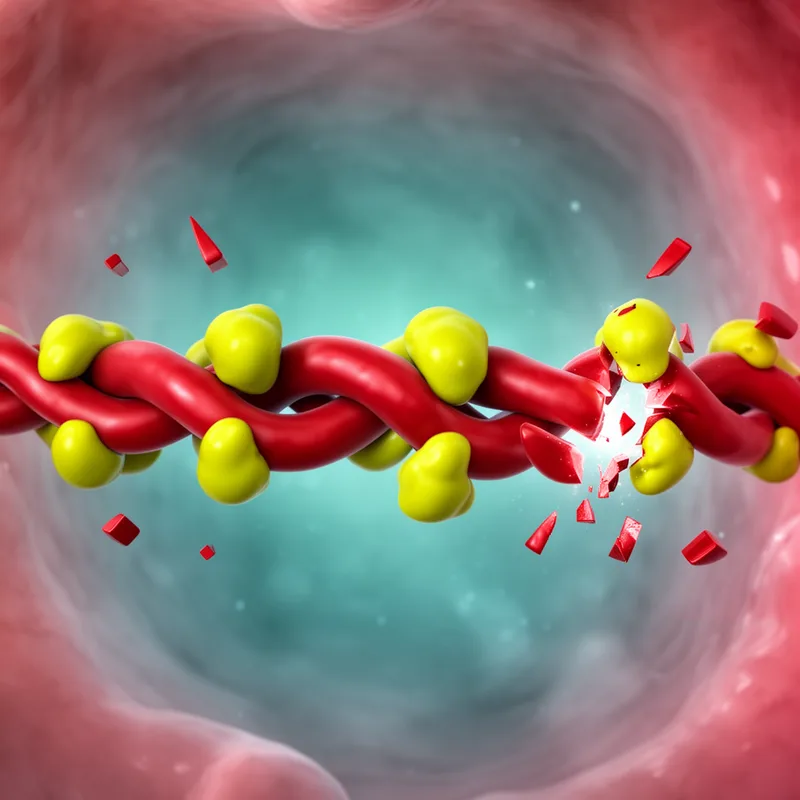
A substance that breaks proteins into smaller parts living things can use
Surface Forms
Morphology
proteolytic = protein (semi-transparent) = proteo + lytic
Formed from the combining form 'proteo-' (protein) plus the specialized scientific suffix '-lytic' meaning 'causing breakdown', but both elements are technical rather than everyday morphemes.
Etymology
Proteolytic comes from proteo- meaning 'protein' and -lytic meaning 'to break down'. So a proteolytic enzyme breaks proteins into smaller parts.