
processual
- adjective
- /ˈprɒsɛsjuəl/
- Specialized
 :
procesual
:
procesual
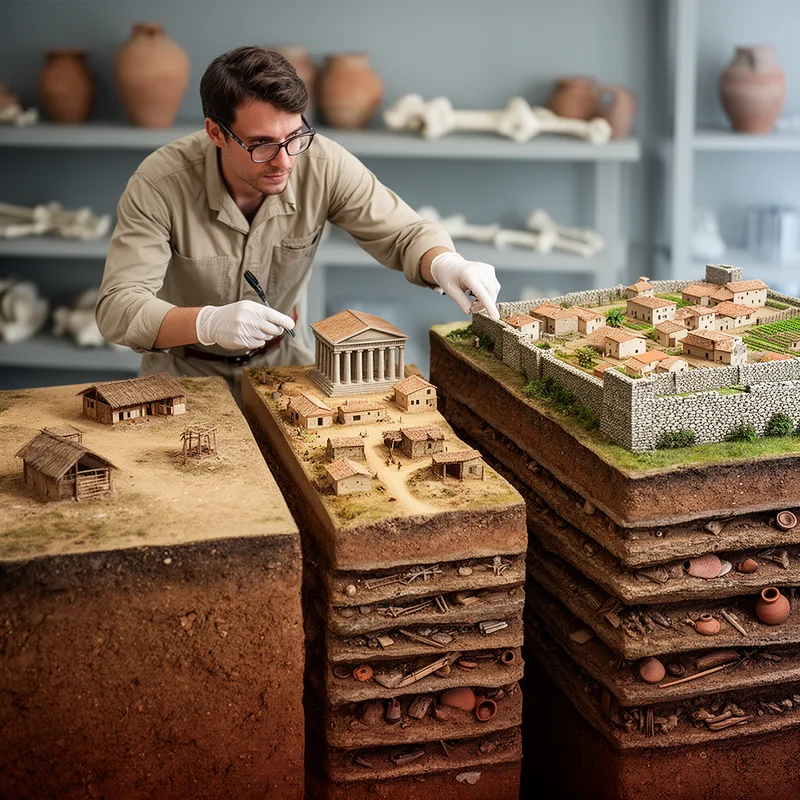
- In archaeology, a processual approach helps researchers understand how cultures develop through various stages.
- processual nature
- processual approach
- processual model
Examples
-
The processual nature of evolution is evident in how species adapt over time.
-
My argument merges structural and processual approaches within the anthropological literature.
Academic text (1990) -
The experience of improvisation as processual and ongoing can be interpreted as a flow state: "Sounds enter me and carry me."
Academic text (2015) -
The second sense of the term "ideology" I wish to defend is substantive rather than processual.
Academic text (1990) -
Utopia conflicts with the essentially dynamic, creative, and processual nature of human beings.
Academic text (1994) -
In this sense, the evolution of Cajun/cadien symbolizes the processual definition of Cajun ethnicity.
Academic text (1998) -
Waleed Hazbun uses the concepts of "deterritorialization" and "reterritorialization" to emphasize the processual nature of changes.
Academic text (2005) -
The assembled articles emphasize the question of how the dynamic and processual qualities of phenomena are captured and recorded, and what the implications of such capturing and recording practices are for the relations between the subjects and objects of research.
Academic text (2018) -
The ambiguity regarding conjugal unions, such as the bulgur marriage between Yaye and Abdul, stems from the processual nature of marriage in West Africa.
Academic text (2007) -
Live-cell imaging, in particular, came into focus as a method that makes palpable the processual qualities of cellular life by foregrounding the interactive and dynamic processes happening within cells.
Academic text (2018)
Synonyms

Doing a task by following steps in order
Surface Forms
Morphology
Etymology
The word processual comes from process, which comes from an old Latin root meaning 'to go forward'. So processual means 'about processes' or 'about how things change over time', which is why archaeologists and anthropologists use it to describe ways of studying long-term change.

