
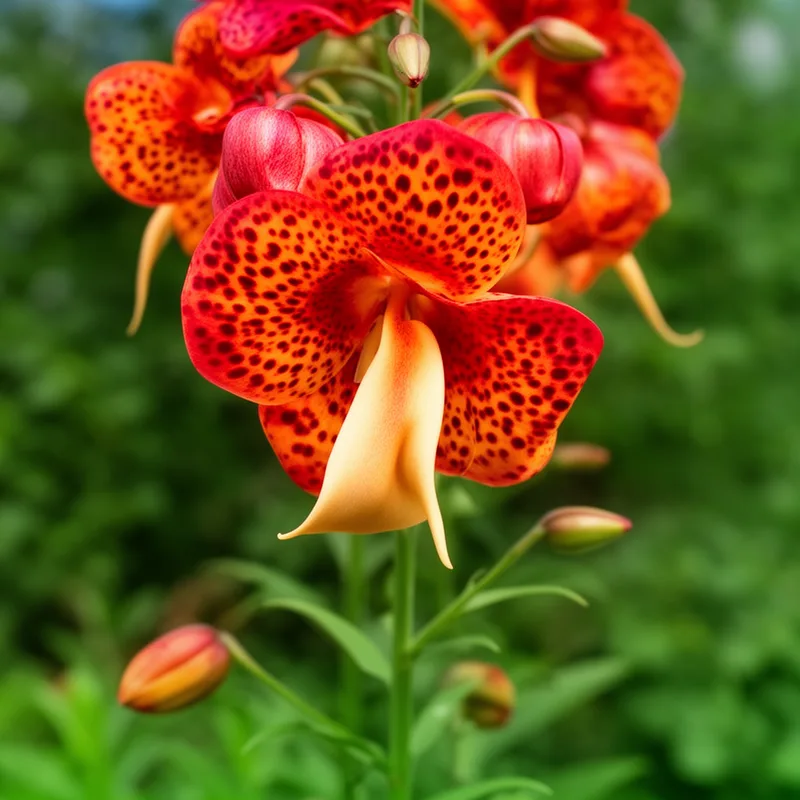
proboscis flower
- noun
- /prəˈbɑsɪs ˈflaʊər/
- Specialized
- The proboscis flower is known for its unusual, beak-shaped blossoms.
Examples
-
Pollinators are attracted to the proboscis flower because of its prominent, curved floral structure.
-
Gardeners in Texas often admire the proboscis flower for its striking colors and unique form.
-
The proboscis flower blooms beautifully in the spring.
-
Have you seen a proboscis flower before?
-
Many gardeners love to cultivate the proboscis flower in their home gardens due to its unique beak-like structure.
-
The proboscis flower attracts hummingbirds with its long, curved petals that resemble a beak.
-
In the wild, the proboscis flower can often be found thriving in sunny, warm areas of southern Texas.
Synonyms
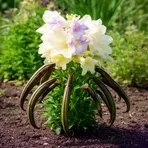
A yearly plant with large pale flowers and long curved seed pods like a claw

A plant with large pale flowers and a long curved seed pod like a beak
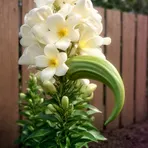
A plant with large pale flowers and a long curved beak-like seed pod
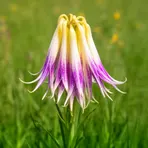
A flowering plant with long beak-like white or yellow flowers marked with purple

A plant that lives one year with pale flowers marked with purple and a long curved seed pod

A plant with pale flowers spotted purple and a long curved seed pod like a claw
Surface Forms
Morphology
The compound is directly compositional: 'proboscis' (a snout-like extension) + 'flower' yields a flower with a beak/snout-like structure. This follows a straightforward noun–noun compounding pattern found cross-linguistically, so a B1 learner who knows both constituents can infer the meaning.
Etymology
Proboscis flower may come from a word for a long 'nose' or 'trunk'. The actual flower has a long, curved beak-like part, so calling it a proboscis helps us picture the plant and explains the name today.

