
preliterary


 1
9.1
- adjective
- /ˌpriːˈlɪtərˌɛri/
- Specialized
- Historians study artifacts from preliterary times to learn about the beliefs and practices of ancient civilizations.
Examples
-
Moreover, the surviving evidence with which we might reconstruct an accurate picture of preliterary paganism is so slight.
Academic text (1993) -
Cave paintings provide insights into the lives of people in a preliterary society.
-
To gain insight on this problem, evidence must be sought in Latin and the other Romance languages since all these developments discussed here with regard to Spanish occurred during a preliterary period.
Academic text (1990) -
We shall see immediately below how these forms presuppose the existence of MECU(M), TECU(M), SECU(M), and later, *mego, *tego, *sego in preliterary Spanish.
Academic text (1990) -
Many archaeological findings help us understand preliterary cultures that relied on oral traditions.
Synonyms
 1
9.3
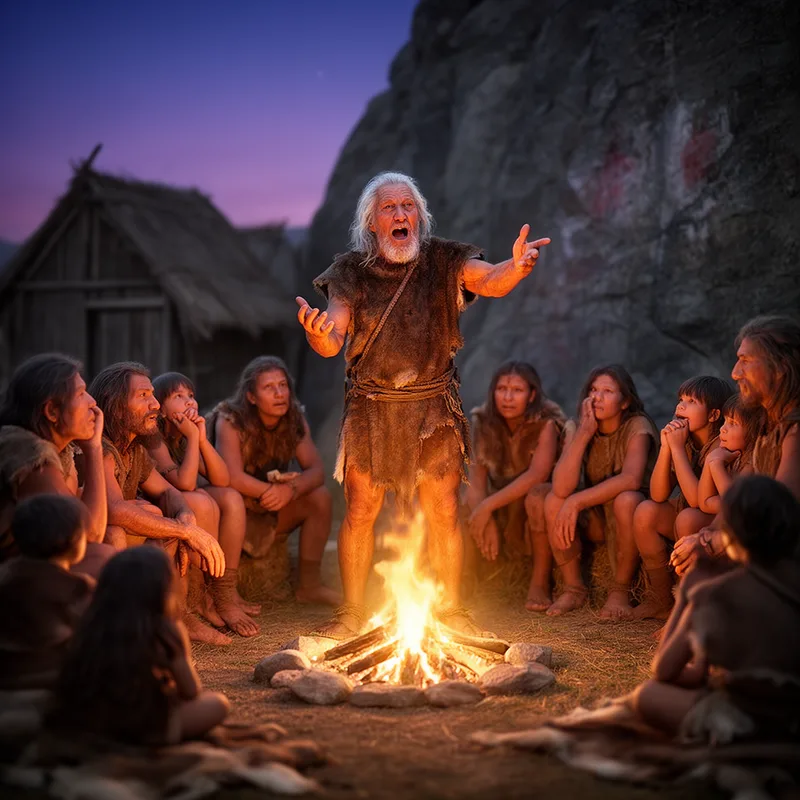
A society or culture without a way of writing
How Literary

Surface Forms
Morphology
preliterary = literary (semi-transparent) = pre + liter + ary
The meaning is a standard and readily interpretable use of 'pre-' with 'literary', meaning before a literary or writing stage.
Etymology
Preliterary starts with pre- meaning 'before' and the part liter- which comes from a word for 'letter' or writing, the same root you see in letter and literature. So preliterary describes things that existed 'before' written books or stories.