

to pout
 41
3.4
41
3.4

- verb
- /paʊt/
- - Come on, don't pout.
- stop pouting
- Oh, stop pouting
- pouting lips
Loading YouTube…
Watch on YouTubeI want him to do like a little smile, pout.
- I want him to do like a little smile, pout.
Examples
-
After being told he couldn't have dessert, Tim decided to pout in the corner.
-
And when she cannot have what her heart desires, she pouts like a disappointed child.
Fiction book (1995) -
Oh, you can pout all you want, huh?
-
Are you going to pout all day?
-
Now pout for me, John!
-
You can pout later, Lilo.
-
Sometimes she will pout for days unless you step in quickly and soothe her down.
Fiction book (1990) -
Nobody could pout quite as well as Dolly if things did not go her way.
Fiction book (1990) -
And don't pout when you don't get what you want.
-
He's so cute when he's pouting, and that would make you grin.
Fiction book (1990)
Synonyms
 1
9.9
1
9.9
To make a sad face by pushing out the lower lip
1
9.9
To push your lips forward as if to kiss
 1
9.9
1
9.9
To make a sad face by pushing out the lower lip
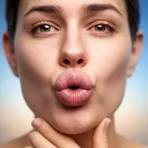
To round and push your lips forward like when you kiss
Antonyms

Compounds
- Specialized
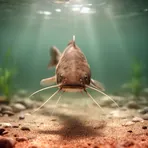
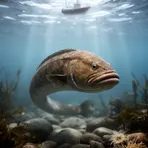
A fish with an eel-like body and a pouting mouth that lives in cold Atlantic coastal waters
How Pouty
41
3.4
 18
7.0
18
7.0
Surface Forms
Etymology
The verb pout also comes from the idea of 'pushing out', so to pout is to push your lips forward to show annoyance or disappointment.