

potassium hydrogen tartrate
- noun
- /pəˈtæsiəm ˈhaɪdrədʒən ˈtɑːrtrət/
- Specialized
- When making meringues, a pinch of potassium hydrogen tartrate helps to stabilize the egg whites.
Examples
-
The chef suggested adding potassium hydrogen tartrate to the recipe for fluffier pancakes.
-
You can find potassium hydrogen tartrate in most baking supplies.
-
Baking powder contains potassium hydrogen tartrate as a key ingredient to aid leavening.
-
Many recipes call for potassium hydrogen tartrate as a stabilizer.
-
Baking powder contains potassium hydrogen tartrate as a key ingredient to aid leavening.
-
The chef suggested adding potassium hydrogen tartrate to the recipe for fluffier pancakes.
-
When making meringues, a pinch of potassium hydrogen tartrate helps to stabilize the egg whites.
Synonyms
 10
6.3
10
6.3

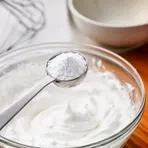
A white powder used in baking to help cakes rise
 1
3.7
1
3.7
A white powder used in baking to keep egg whites and sugar stable
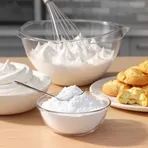
A white powder that helps egg whites keep their shape and improves texture of baked goods
Surface Forms
Morphology
potassium + hydrogen + tartrate
The phrase is a systematic chemical name combining 'potassium', 'hydrogen' and 'tartrate', so a learner who knows those words can infer it denotes a tartrate salt containing potassium and hydrogen (i.e., a chemical compound). However, the common culinary identity 'cream of tartar' and specific uses/properties are not directly predictable from the name alone and chemical naming conventions may be unfamiliar to a B1 learner, making the transparency partial rather than complete.
Etymology
Potassium hydrogen tartrate is better known as 'cream of tartar'. One popular story says it comes from tiny white crystals called tartrate that form inside old wine barrels, and people scraped these crystals and used them in cooking. That's why potassium hydrogen tartrate today is the white salt cooks use to help baking powder work and to keep egg whites firm.