

potassium dichromate
- noun
- /pəˈtæsiəm daɪˈkroʊmeɪt/
- Specialized
- Potassium dichromate is widely used as an oxidizing agent in laboratory experiments.
Examples
-
Old photographic processes relied on potassium dichromate for developing images.
-
When handling potassium dichromate, always use gloves due to its toxic nature.
-
The laboratory used potassium dichromate for various experiments.
-
Is potassium dichromate safe to handle?
-
Potassium dichromate is commonly used in photography to develop black and white images.
-
In many chemistry labs, potassium dichromate serves as a powerful oxidizing agent.
-
Researchers often utilize potassium dichromate to create vibrant dyes for various materials.
Synonyms
 1
9.9
1
9.9

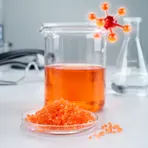
A salt that contains chromium and oxygen atoms and gives an orange solution
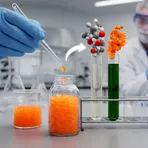
A chemical salt used in laboratories that takes oxygen from other chemicals
Surface Forms
Morphology
The term is a systematic chemical name composed of 'potassium' and 'dichromate', so a learner who knows both constituents can infer it refers to a chemical compound (a salt containing potassium and dichromate ions). Scientific naming conventions are compositional and cross-linguistically consistent, so although specific properties (colour, uses, oxidizing behaviour) require domain knowledge, the basic identity as a chemical compound is transparently derivable.
Etymology
Potassium dichromate gets its name from older words: potassium comes from 'potash', the ashes people collected in pots, and di- means 'two' while chromate comes from a word for 'colour' because the crystals are bright orange. That's why the name helps you remember it is an orange-red salt often used in labs and in making dyes and photos.