
postmillennialism


 1
9.9
- noun
- /ˌpoʊstmɪˈlɛniəlɪzəm/
- Specialized
- Scholarships on postmillennialism explore how historical events shaped the belief in a peaceful era leading to the end of the world.
Examples
-
Although the process of incorporation was effected only through the transformation or attenuation of the enthusiastic element (and the postmillennialism of Jonathan Edwards is a prime example of this).
Academic text (1991) -
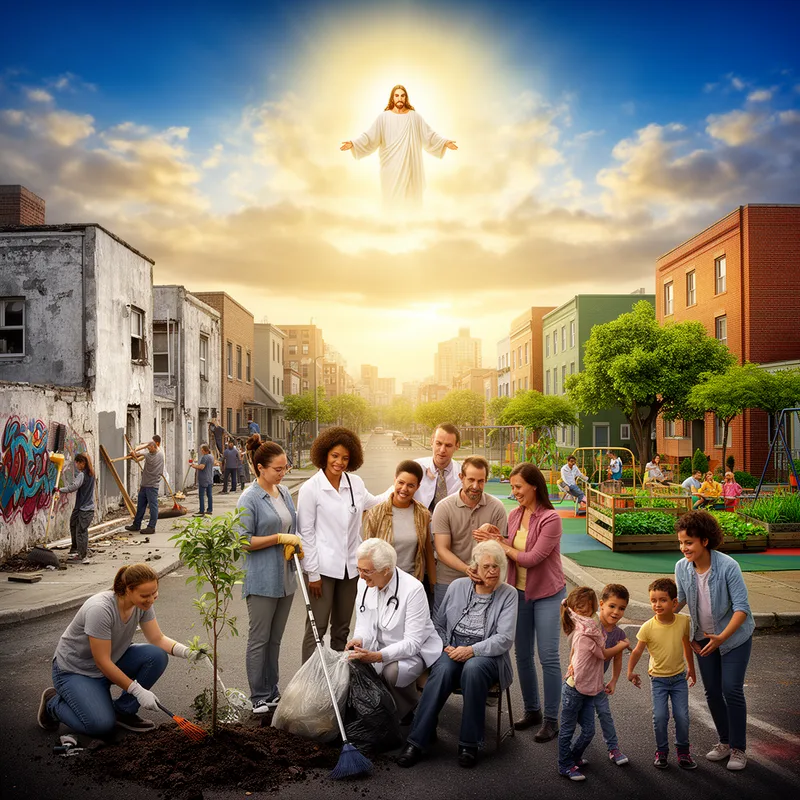
Many religious groups advocate for postmillennialism, believing that human efforts can create a better world before Christ's return.
-
The debate about postmillennialism often centers on whether society can achieve lasting peace through human initiative.
Synonyms
 1
9.9
Belief that society will change completely, often by a future thousand-year rule of Christ
 1
9.9
Belief that a future thousand-year period of peace will come, especially in Christian teaching

A belief that a thousand years of peace and happiness will come to earth, as some Christians expect

Belief that Christ will rule on earth for a thousand years as in the Book of Revelation
Surface Forms
Morphology
postmillennialism = postmillennial (transparent) = post + millennium + al + ism
Formed regularly by adding productive suffix '-ism' to the adjective 'postmillennial'; the meaning ('the doctrine relating to postmillennialism') follows standard morphology.
Etymology
Postmillennialism combines post- ('after') and millennial from millennium ('a thousand years') plus -ism ('belief'), so the word literally points to what comes 'after' a long, special period. That's why postmillennialism means the belief that a long time of peace and goodness will come before the Second Coming of Christ and that the world will improve before the end.