
posterior cerebral artery


 1
6.7
1
6.7
- noun
- /ˌpoʊstɪˈɒrɪər ˈsɪrəbrəl ˈɑːrtəri/
- Specialized
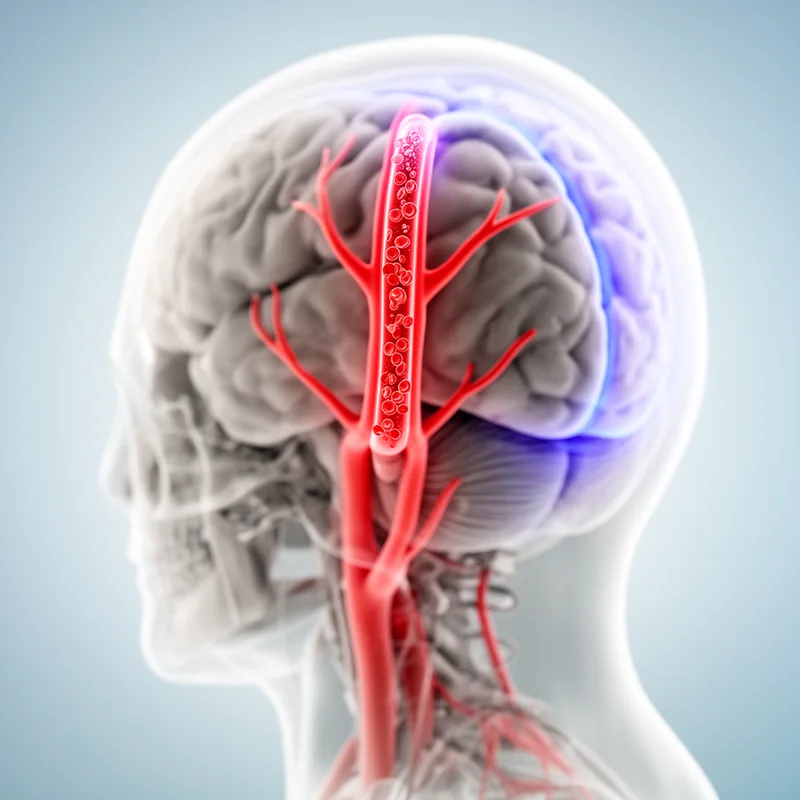
- The posterior cerebral artery supplies blood to the occipital lobe.
Examples
-
During surgery, care was taken not to damage the posterior cerebral artery.
-
An aneurysm in the posterior cerebral artery can result in visual disturbances.
-
The posterior cerebral artery supplies blood to the occipital lobe of the brain.
-
Inadequate blood flow from the posterior cerebral artery can lead to vision problems.
-
The surgeon carefully examined the posterior cerebral artery during the operation to ensure proper blood flow.
-
Damage to the posterior cerebral artery can lead to significant vision problems due to reduced blood supply to the visual cortex.
-
An obstruction in the posterior cerebral artery may cause stroke symptoms that affect the back of the brain.
Surface Forms
Morphology
Each constituent ('posterior' = at the rear, 'cerebral' = relating to the brain, 'artery' = a blood vessel) composes straightforwardly into a literal meaning: a blood vessel located at the back of the brain. The phrase follows standard English noun-modifier composition and the overall sense is directly inferable by a B1 learner who knows the component words, so it is transparently compositional.
Etymology
Posterior cerebral artery is a simple picture: posterior means 'back', cerebral means 'of the brain', and artery means 'blood vessel'. So it is the vessel that carries blood to the back part of the brain, which is why problems there can cause vision problems.