
postbellum
- noun
- /ˌpoʊstˈbɛləm/
- Formal
 :
posguerra
:
posguerra
- The author links a progressive spirit with postbellum, implicitly modern thinking, whereas the more leisurely attitude is associated with "tenacious sectionalism" and an anachronistic, antebellum way of thinking.
Examples
-
Black Codes, postbellum dictates similar to those laws under enslavement devised to control the mobility and activity of black residents, formed the foundation for Jim Crow legislation in the last three decades of the nineteenth century.
Blog text (22) -
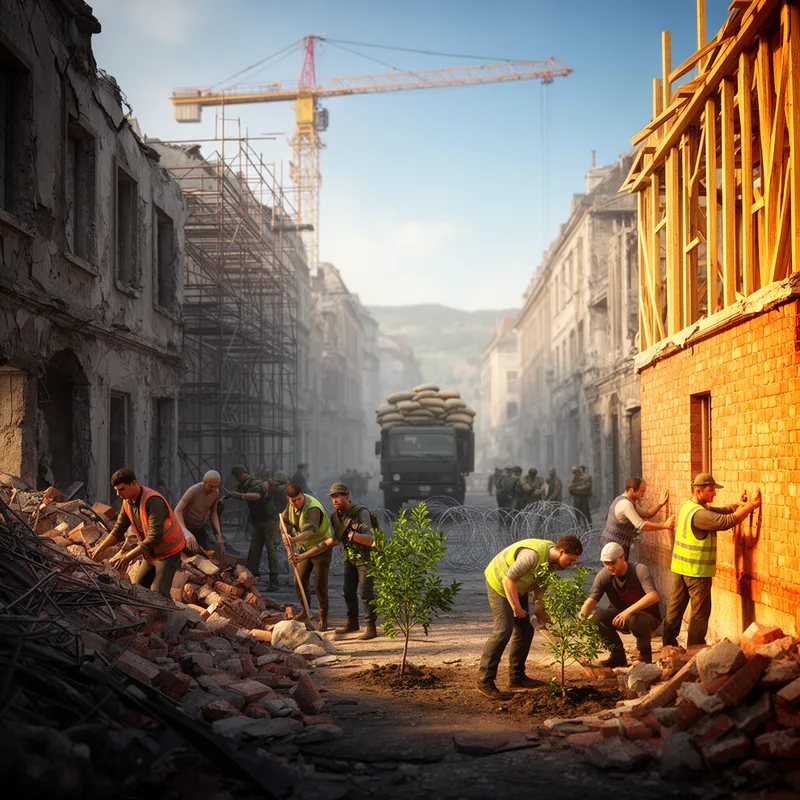
The postbellum period brought significant social reforms that reshaped the entire nation.
-
Many artists and writers sought inspiration from the postbellum changes in American society.
-
During the postbellum era, communities struggled to rebuild and redefine their identities.
Surface Forms
Morphology
postbellum = bellum (opaque) = post + bellum
Formation is post- + bellum (Latin 'war'); because 'bellum' is not a productive English base, the sense cannot be transparently derived by typical learners.
Etymology
Postbellum comes from post- 'after' and bellum 'war'. As a noun, it names the period after a war; you can compare it with antebellum, which means 'before the war', so postbellum is the 'after' time when societies rebuild and change.

