
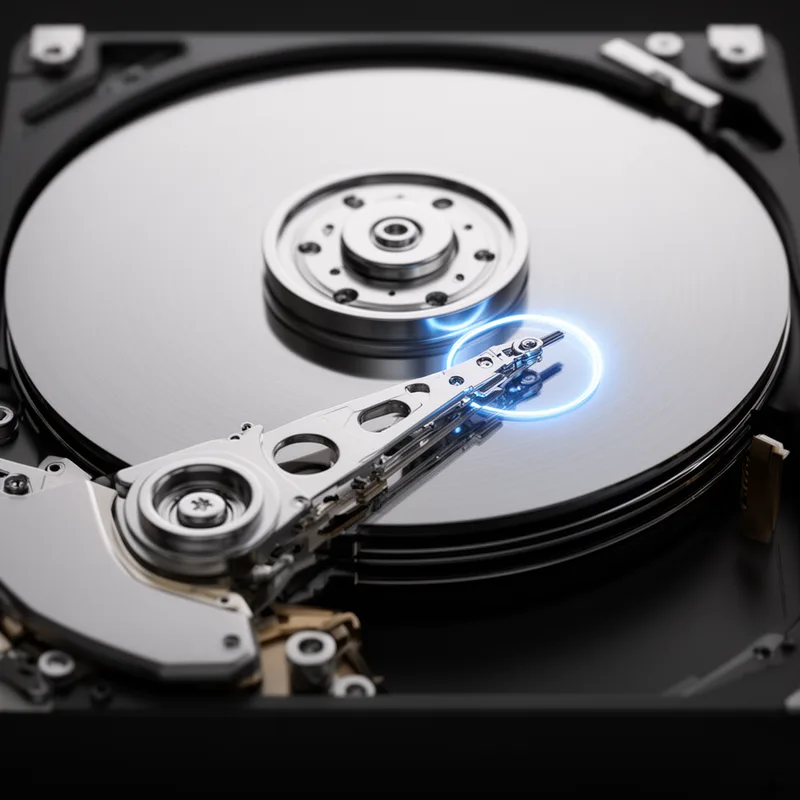
positioner


 1
7.5
1
7.5
- noun
- /pəˈzɪʃənər/
- Specialized
- The robotic arm uses a precise positioner to move the tools to the correct location.
- valve positioner
- linear positioner
- part positioner
Examples
-
Grinding and polishing machines, food processing equipment, and leak testing devices all rely on electronic pressure controls to provide valve actuators, pneumatic valve positioners, air cylinders, and brakes with the high degree of control required.
Academic text (2000) -
The Physik Instrumente family of linear positioners with ranges of 18, 25, 50, and 100 mm is available.
Academic text (1994) -
Integral limit switches and positioners are installed.
Academic text (2003) -
Valve positioner
Academic text (1998) -
The Smart Valve Interface is a digital valve positioner and proportional integral derivative process controller.
Academic text (1998) -
The M-155 100-mm linear positioner is the newest model.
Academic text (1994) -
ValVue is a computer software interface that is used with the positioner to configure and calibrate.
Academic text (1998) -
The GO-100 can be combined with other positioners, such as translation and rotation stages, to extend its use to large adjustment ranges.
Academic text (2002) -
The output signal can be used to activate electro-pneumatic transducers, valve positioners, indicators, or other DC current devices.
Academic text (1997) -
MOTOMAN INC., WEST CARROLLTON, OHIO: ArcWorld II-500 includes two independent part positioners designed to eliminate positioner sweep time.
Academic text (1997)
Synonyms
 3
3.8
3
3.8
A person or thing that moves something to the right position
 3
6.3
3
6.3
A person or machine that controls equipment in a factory
 1
7.2
1
7.2
A motor that moves a part to an exact position, often in robots

A device that turns to move the read and write head in a hard disk
A person or machine that moves parts into the correct position

A tool that moves a heavy object a little at a time

A machine that places tiny electronic parts on circuit boards very fast
How Automated

Surface Forms
Morphology
Etymology
The word positioner comes from position ('place') plus the ending -er ('one that does'), and is like the word pose, which means 'to put' or 'place'. So a positioner is something that 'puts' or 'places' a part in the right spot, which explains its use for devices that move or control position.