
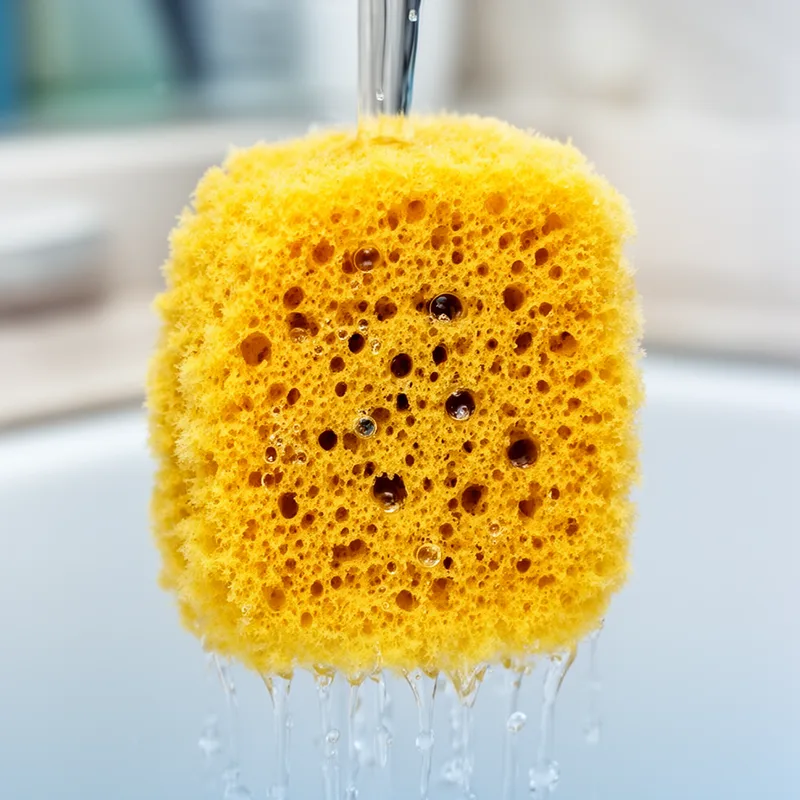
porose
- adjective
- /ˈpɔːroʊs/
- Specialized
- Certain sponges have a porose structure that allows water to circulate freely.
Examples
-
Researchers examined the porose layer under a microscope to study its filtration properties.
-
The sponge is very porose.
-
The surface of the mushroom was distinctly porose, making it easy to identify.
-
This material is more porose than the previous one.
-
Certain sponges have a porose structure that allows water to circulate freely.
-
Researchers examined the porose layer under a microscope to study its filtration properties.
-
The surface of the mushroom was distinctly porose, making it easy to identify.
Synonyms
 23
4.6
23
4.6

Full of small holes that let water or air pass through


 1
9.6
1
9.6
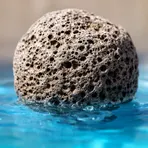
A material like rock or bone that lets air and water pass through
 1
8.7
1
8.7
A material with many tiny holes too small to see without a microscope

Full of small holes that let water or air pass through
Antonyms

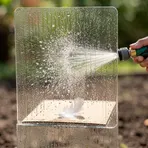
How Porous

Surface Forms
Morphology
porose = pore (semi-transparent) = poro + ose
Formed from 'pore' with the technical adjective-forming suffix '-ose'; the connection is clear to those who know 'pore' but the less common suffix and spelling variant from the everyday '-ous' may confuse learners.
Etymology
Porose comes from the Greek root poros, which means 'passage' or 'pore', and you can see the same root in the English word pore. Think of a sponge full of tiny passages that let water through, so porose means 'having many small openings'.