
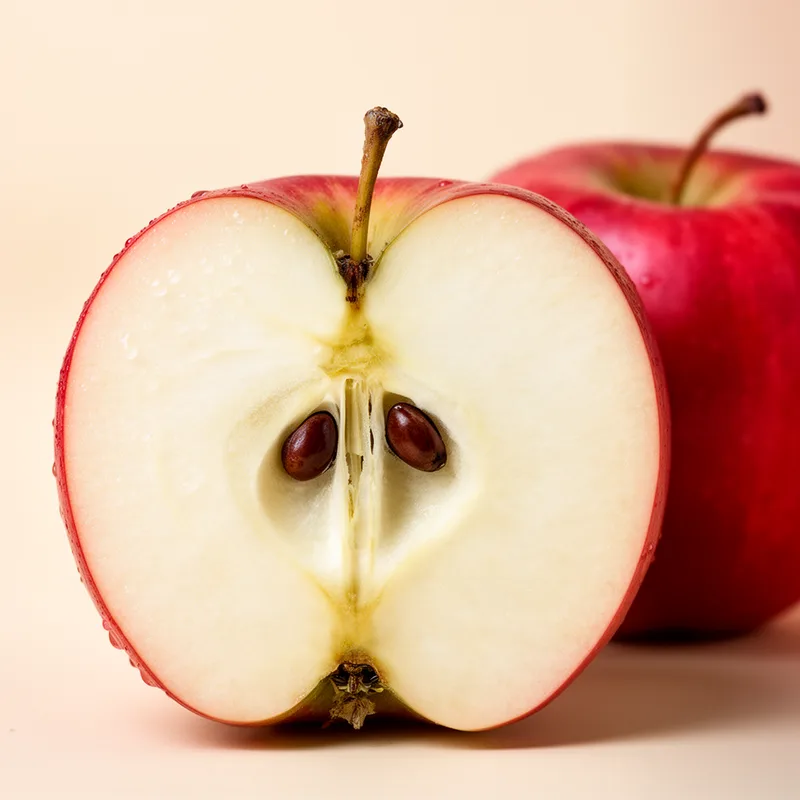
pome


 1
8.1
- noun
- /poʊm/
- Specialized
- Pome fruit, stone fruit, tomatoes, mangoes, and strawberries provide good examples where color is a prime indicator of ripeness.
- pome fruit
Examples
-
When making cider, many people prefer using a variety of pome fruits like apples and pears.
-
Petroleum oils have historically been used as pesticides on apples and other pome fruits.
Academic text (1995) -
- Pomes?
-
Codling moth, the most destructive pome fruit pest worldwide, is finally meeting its match.
Academic text (1997) -
It produces pomes (like apples) in clusters, each about the size of a blueberry.
Blog text (34) -
Hence, the apple is Malus, and, like the pear, is also a pome—a name derived from Pomona, the Roman goddess of orchards.
Fiction book (1999) -
The realistic, ecologically compatible systems target insect and mite pests of alfalfa, citrus, cotton, pine trees, pome and stone fruits, and soybeans.
Academic text (1995) -
The apple is a popular type of pome that many people enjoy eating fresh.
-
Pears are a delicious pome fruit often used in desserts and salads.
How Juicy

Surface Forms
Etymology
The word pome comes from the Latin pomum, which meant 'fruit' or 'apple'. You can see the same root in pomegranate and the French word pomme ('apple'), and that's why pome now means an apple-like fruit with a thick outer flesh and a seed-filled core.