
polytonality


 1
9.9
- noun
- /ˌpɒlɪtəˈnælɪti/
- Specialized
- Stravinsky is known for his innovative use of polytonality in early 20th-century compositions.
Examples
-
The piece’s striking polytonality creates a sense of tension and complexity unusual in classical music.
-
The piece featured stunning polytonality throughout.
-
Modern composers often experiment with polytonality to achieve unique harmonic effects.
-
Many modern composers explore polytonality in their works.
-
The composer explored polytonality in his latest symphony, using multiple keys to create a rich sound.
-
Her innovative use of polytonality in the jazz piece surprised the audience with its complex harmonies.
-
In his analysis, he described polytonality as a technique that adds depth to musical compositions.
Synonyms

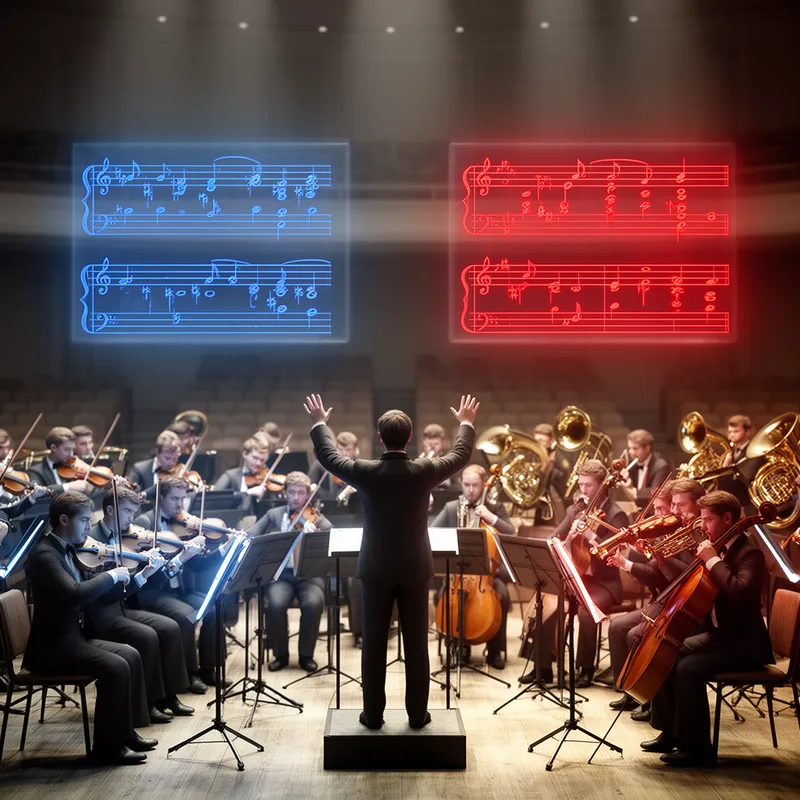
The use of two or more musical keys at the same time to make a richer sound
How Many Keys

Surface Forms
Morphology
Etymology
The word polytonality comes from the parts poly- meaning 'many' and tonality from 'tone' meaning 'musical key' or 'sound'. So, polytonality is about using many different keys at the same time to make rich or unusual harmonies.