

polytonalism
- noun
- /ˌpɒlɪˈtoʊnəlɪzəm/
- Specialized
- The composer's embrace of polytonalism was evident in the simultaneous clash of keys.
Examples
-
Stravinsky used polytonalism to create a complex and richly textured soundscape.
-
Many early twentieth-century pieces explored polytonalism as a way to expand musical harmony.
-
The composer experimented with polytonalism in her latest symphony.
-
Many modern pieces showcase polytonalism as a technique.
-
Many early twentieth-century pieces explored polytonalism as a way to expand musical harmony.
-
Stravinsky used polytonalism to create a complex and richly textured soundscape.
-
The composer's embrace of polytonalism was evident in the simultaneous clash of keys.
Synonyms


 1
9.9
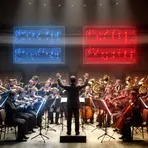
Using two or more different musical keys at the same time
How Many Keys

Surface Forms
Morphology
Etymology
The word polytonalism comes from poly- meaning 'many', tone meaning 'musical sound or key', and the ending -ism meaning 'practice'. So polytonalism is the practice of using 'many' different musical tones or keys at the same time, which is why polytonal music often sounds like two or more keys playing together.