
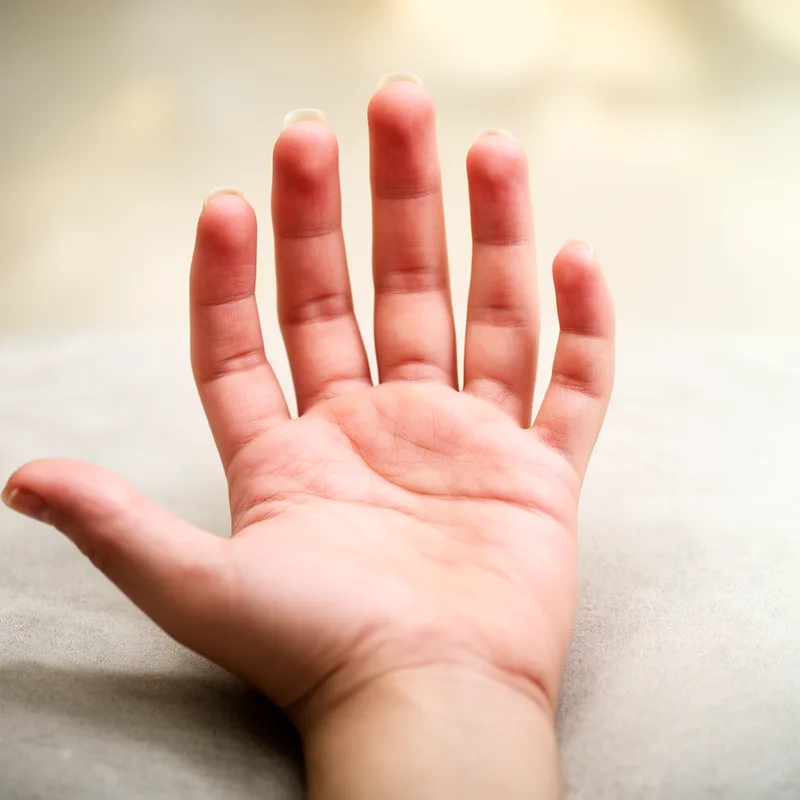
polydactylous
- adjective
- /ˌpɒlɪˈdæktɪləs/
- Specialized
- The newborn kitten was found to be polydactylous, possessing extra toes on its front paws.
Examples
-
Some genetic conditions in humans can result in a polydactylous appearance of hands or feet.
-
The polydactylous cat had six toes on each paw.
-
Early studies described fossiled reptiles that were markedly polydactylous compared to modern species.
-
Is it common for a child to be polydactylous?
-
The newborn kitten was found to be polydactylous, possessing extra toes on its front paws.
-
Some genetic conditions in humans can result in a polydactylous appearance of hands or feet.
-
The polydactylous cat had six toes on each paw.
Synonyms


 1
9.3
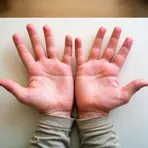
Having more than the usual number of fingers or toes
Antonyms
Surface Forms
Morphology
polydactylous = polydactyl (opaque) = poly + dactyl + ous
The adjective is formed by the regular addition of -ous to polydactyl.
Etymology
Polydactylous comes from poly- ('many') and dactyl ('finger' or 'toe'), so it means 'having extra fingers or toes'. A helpful image is a kitten with extra toes to remember the idea.