

polycarboxylate cement
- noun
- Specialized
- The dentist chose polycarboxylate cement to fix the crown securely in place.
Examples
-
Because of its mild acidity, polycarboxylate cement is often preferred for lining deep cavities.
-
Proper mixing is essential to achieve the best strength with polycarboxylate cement.
-
The dentist used polycarboxylate cement for the filling.
-
Many dental clinics prefer polycarboxylate cements for their versatility.
-
The dentist chose polycarboxylate cement as a secure liner for the deep cavity in her patient's tooth.
-
Because of its mild acidity, polycarboxylate cement is ideal for securing dental restorations without damaging the tooth structure.
-
Proper mixing of polycarboxylate cement ensures maximum strength for securing crowns and fillings.
Synonyms

 4
6.7
4
6.7

A material dentists use to attach crowns or fill gaps in teeth
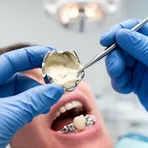
A hard dental paste used to fix metal crowns and bridges
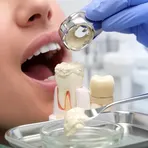
A hard paste used to fix metal crowns and as a base under fillings
Surface Forms
Morphology
polycarboxylate + cement
The phrase is a straightforward noun–modifier compound: 'polycarboxylate' names the chemical/type and 'cement' names the material, so the overall meaning is 'a cement made of polycarboxylate'. This is a compositional, technical label following common English patterns (e.g. 'silicate cement', 'zinc oxide cement'), so a learner who knows the constituent words would be able to infer the MWE's meaning.
Etymology
Polycarboxylate cement is the dental 'glue' dentists use to hold crowns and to line cavities. Its name helps remember it: poly means 'many' and carboxylate points to sticky chemical parts that help the cement cling to the tooth, so it bonds and protects the repair.