

polka dot
 18
2.7
18
2.7

- noun
- /ˈpoʊlkə dɑt/
- She's wearing a polka-dot dress.
- a polka dot dress
- wear polka dots
- polka dot print
Loading YouTube…
Watch on YouTubeShe wears a white bikini with red polka dots, triangle cut top, ruffled bottom.
- She wears a white bikini with red polka dots, triangle cut top, ruffled bottom.
- So this is a polka dot bikini and it's black and white.
- My absolute favorite thing that my Mama got me this black polka dot mesh dress.
- This one is this lovely pink again, and it's got lots of kind of randomized grey polka dots on it.
- She was the polka dot queen of the world.
- Cardano, Doshi, Bino, polka dot, You see where I'm going with this?
Examples
-
She wears a white bikini with red polka dots, triangle cut top, ruffled bottom.
-
"Well, lookee here, another bathing suit," the judge says when she comes out wearing a polka-dot bikini.
Fiction book (2002) -
I am getting this polka-dot chair.
-
I love that polka dot dress.
-
The woman had a blue dress on with polka dots.
-
I remember a red dress with white polka dots that I wore at age 5 or 6.
Blog text (13) -
My absolute favorite thing that my Mama got me this black polka dot mesh dress.
-
The doll had yellow yarn pigtails and a red-and-white polka-dot dress.
Fiction book (1999) -
Monique was standing next to the basin in her polka-dot bikini, yelling into her pink waterproof cell phone.
Fiction book (2001) -
I love that polka dot dress.
Synonyms
 228
1.0
228
1.0
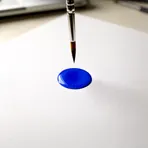
A very small round mark on a surface, like a speck of paint
How Decorative

Surface Forms
Morphology
polka + dot
The word 'dot' clearly signals small round spots, so a learner who knows 'dot' would expect the expression to involve spots. However 'polka' (a dance) does not transparently convey the idea of a regular patterned arrangement; the compound's historical naming is not compositionally informative, so the full notion of a regularly spaced spot pattern cannot be completely derived from the parts.
Etymology
Polka dot may come from a lively dance called the polka that was very popular in the 1800s. One popular story says cloth makers used small round dots on dresses for that dance, so the name came to mean a 'pattern of round spots'.