
plumbaginaceous
- adjective
- /plʌmˌbeɪdʒəˈneɪʃəs/
- Specialized
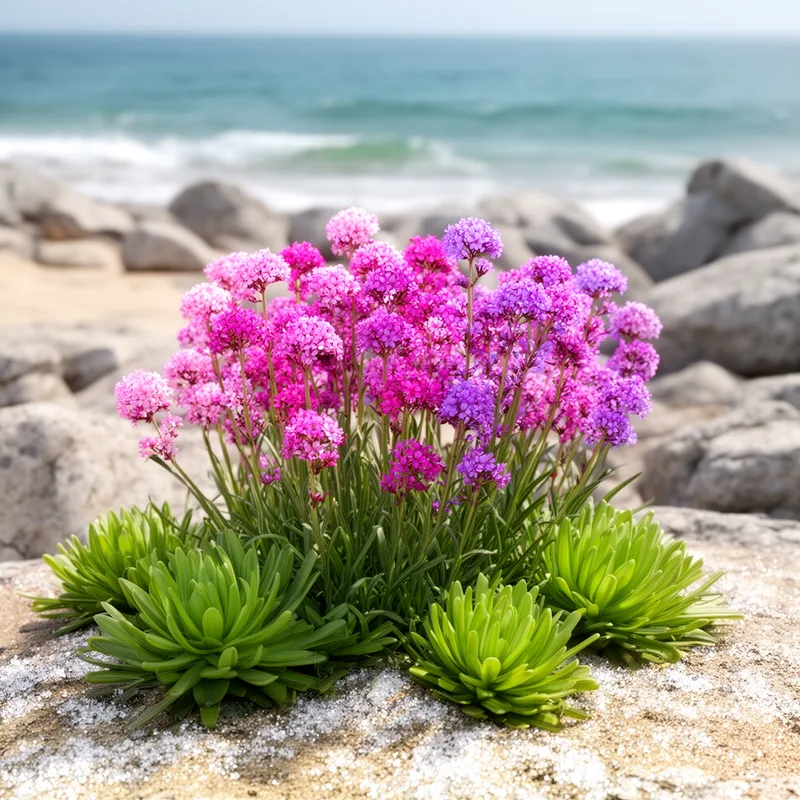
- You can identify plumbaginaceous plants by their simple leaves and small clustered flowers.
Examples
-
Wildflowers in the plumbaginaceous family are often used in ornamental gardening.
-
The plumbaginaceous species thrive in salty environments near the coast.
-
Look at that plumbaginaceous plant!
-
The plumbaginaceous family is fascinating!
-
The plumbaginaceous species thrive in salty environments near the coast.
-
Wildflowers in the plumbaginaceous family are often used in ornamental gardening.
-
You can identify plumbaginaceous plants by their simple leaves and small clustered flowers.
Surface Forms
Morphology
plumbaginaceous = plumbagin (opaque) = plumbagin + aceous
This is a technical botanical adjective formed with a Latinate stem and the suffix -aceous, but the meaning is not easily recoverable for an average learner.
Etymology
Plumbaginaceous comes from the plant name Plumbago, which comes from Latin plumbum 'lead'. A helpful way to remember it is that these plants were once called 'leadwort', so plumbaginaceous simply means 'of the Plumbago, or leadwort, family', the group of plants that live near the sea and are often used in gardens.

