
plethysmographic
- adjective
- /plɛθɪzˈmɒɡrəfɪk/
- Specialized
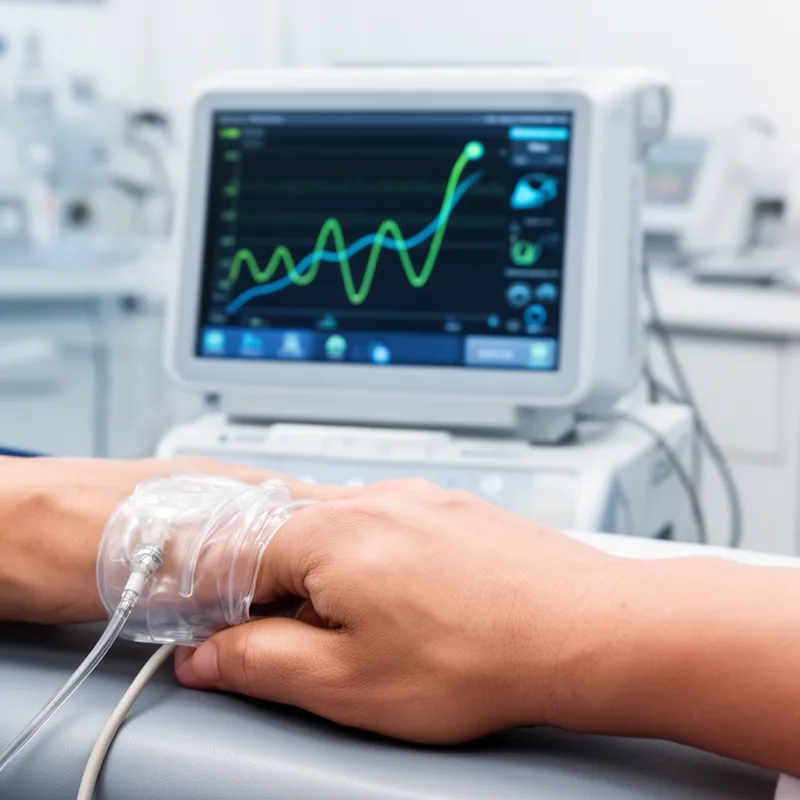
- The study used plethysmographic methods to measure blood flow in the participants' limbs.
- penile plethysmographic
Examples
-
Doctors often rely on plethysmographic data to assess lung function and diagnose respiratory issues.
-
Researchers reported plethysmographic changes in brain volume during the clinical trial.
-
Thus, some individuals are apparently capable of invalidating the results of penile plethysmographic measures of sexual arousal.
Academic text (1991) -
The observation that penile plethysmographic results are susceptible to falsification.
Academic text (1991) -
The critical question is not whether faking occurs during penile plethysmographic evaluations, but whether deliberate attempts to falsify test results can be detected.
Academic text (1991) -
Only the "semantic task" developed by Quinsey and Chaplin (1988) has proven useful in eliminating subjects' ability to fake on penile plethysmographic measures of sexual arousal.
Academic text (1991)
Synonyms

Measuring how much space something takes
Surface Forms
Morphology
plethysmographic = plethysmograph (opaque) = plethysmograph + ic
Formed by adding the technical suffix '-ic' to a specialized medical term 'plethysmograph'; the base and affix are Greek-derived medical vocabulary unlikely to be transparent to average learners.
Etymology
Plethysmographic comes from Greek parts: plethos meaning 'fullness' or 'swelling' (like in plethora) and -graphic meaning 'to record' (like in photograph). So it describes recordings or measurements of changes in volume or 'swelling' in a body part.

