
plastisol


 1
8.5
- noun
- /ˈplæstəˌsɔl/
- Specialized
- Many manufacturers prefer plastisol for its durability and flexibility in various applications.
Examples
-
Value analysis shows that processors using polyurethanes can save more than 25 percent on manufactured part costs when compared with vinyl plastisol.
Blog text (33) -
Polyurethanes offer an attractive alternative to vinyl plastisols as adhesives in filters.
Blog text (33) -
Since the 1960s, vinyl plastisols have been widely used as potting adhesives to bond filter material to metal end caps in automotive air and fluid filters.
Blog text (33) -
Vinyl plastisols are disadvantaged by their long cycle times and high in-place density, as well as containing potentially leaching ortho-phthalate plasticizers and chlorine-containing materials.
Blog text (33) -
Vinyl plastisol is often used for coating metal surfaces to prevent rust.
-
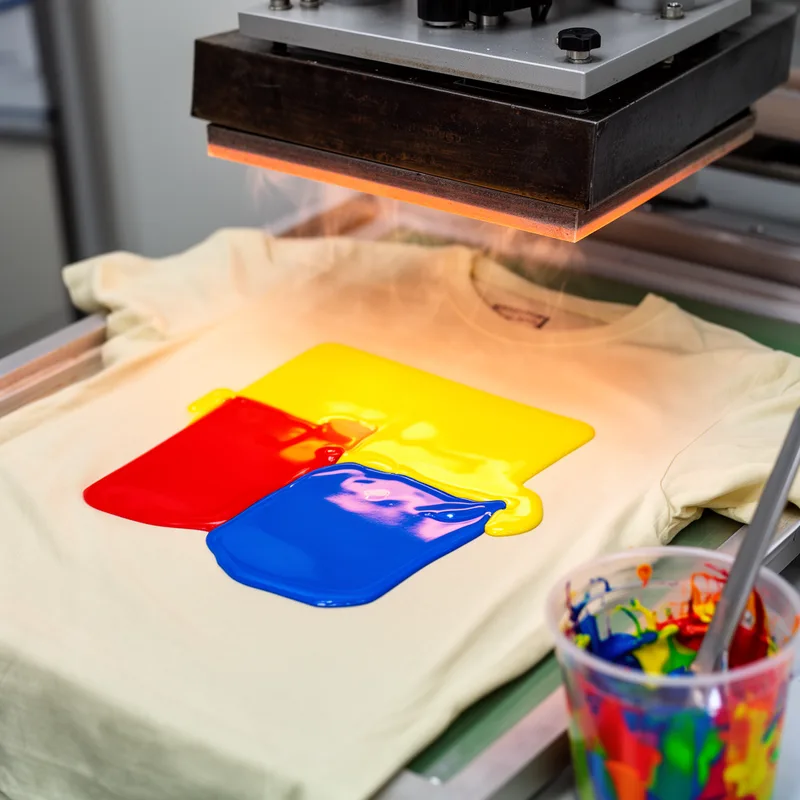
The screen printer selected a bright red plastisol ink for the new t-shirt design.
Surface Forms
Morphology
Etymology
Plastisol comes from plastic and sol (a word for a 'liquid mix'). It is like 'liquid plastic' that turns solid when heated, which is why it is used for coatings and screen printing.