
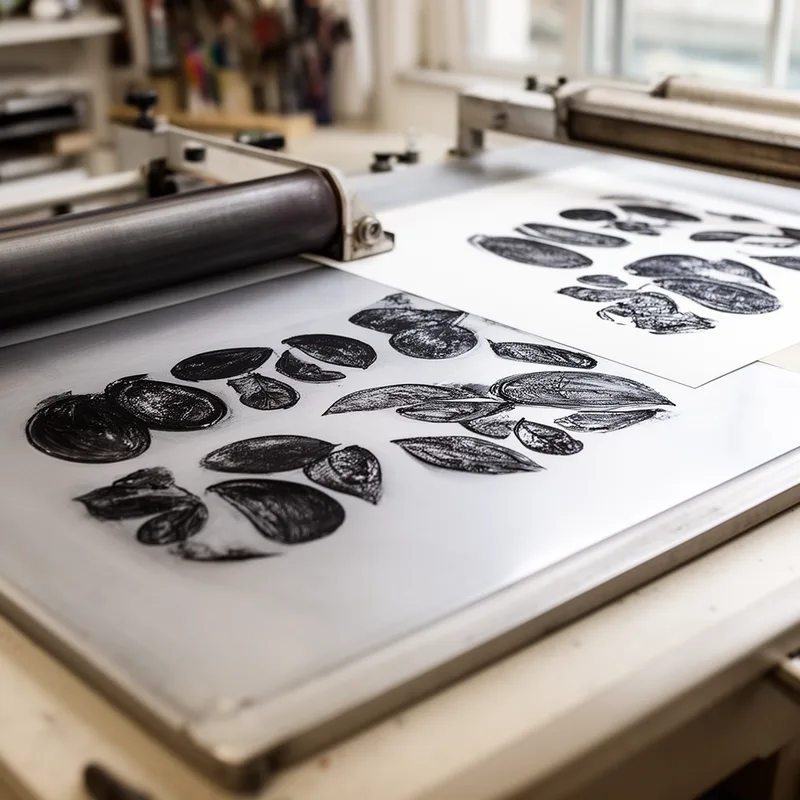
planography
- noun
- /ˌplænəˈɡrɑfi/
- Specialized
- In planography, the printing and non-printing areas are on the same level surface.
Examples
-
Lithography is a common form of planography used in art and commercial printing.
-
The development of planography revolutionized the printing industry in the 19th century.
-
The planography technique is widely used in modern printing.
-
Many artists prefer planography for its unique effects.
-
In planography, the printing and non-printing areas are on the same level surface.
-
Lithography is a common form of planography used in art and commercial printing.
-
The development of planography revolutionized the printing industry in the 19th century.
Synonyms
 1
8.4
1
8.4

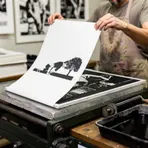
A printing method using a flat stone or metal to make ink prints
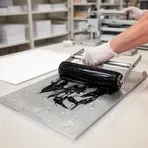
A printing method using a flat surface where ink sticks to some parts and not others
Surface Forms
Morphology
planography = plano + graphy
The form clearly combines the technical elements plano- and -graphy, but the specialized printing sense is not immediately accessible to most learners.
Etymology
Planography comes from parts that mean 'flat' and 'writing': the plan- part means 'flat' (like plane) and the -graphy part means 'writing' (like photography). So, planography is 'writing on a flat surface', which fits the printing process where the image and non-image areas are on the same level.