
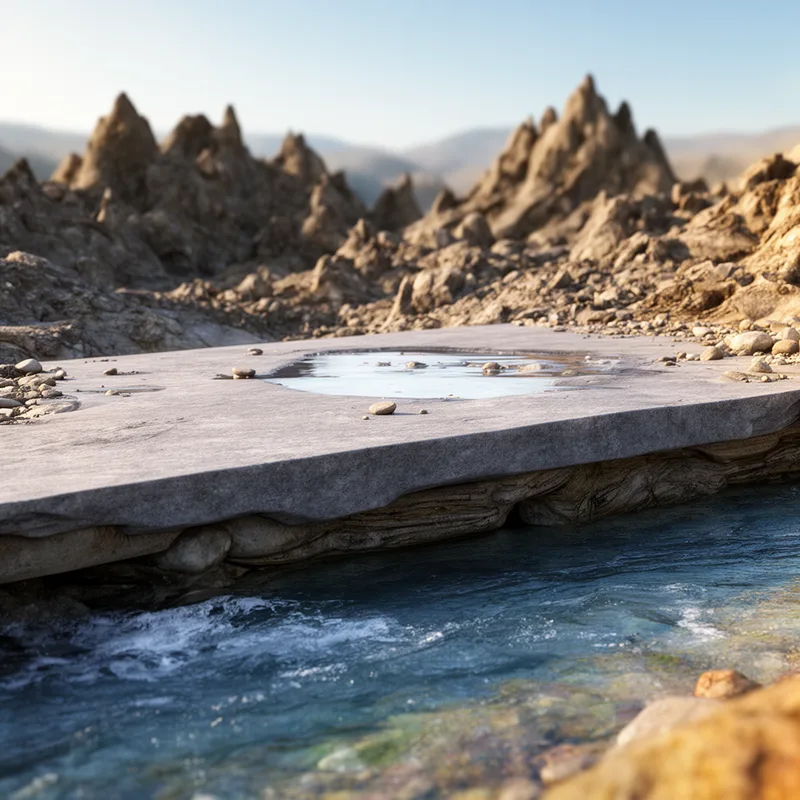
planate
- adjective
- /ˈplænɪt/
- Specialized
- The planate surface of the table made it easy to write.
Examples
-
The leaves have a distinctly planate surface, distinguishing them from their relatives.
-
The insect's wings are nearly planate, which aids in gliding flight.
-
In geology, a planate region is one that has been leveled by erosion.
-
Is this area planate enough for construction?
-
The surface of the table is planate, making it perfect for writing.
-
The leaves have a distinctly planate surface, distinguishing them from their relatives.
-
Is this area planate enough for construction?
Synonyms

 797
1.0
797
1.0

Level and even without parts higher or lower
 1
8.2
1
8.2
Relating to or lying on a flat surface that goes in two directions

Made flat or more level than before
Completely flat and level with no slope
Antonyms


How Flat

Surface Forms
Morphology
Etymology
Planate comes from the old Latin word planus, meaning 'flat' or 'level', and it shares the same root as plane and plain. So something described as planate is simply made 'flat' or is very level.