
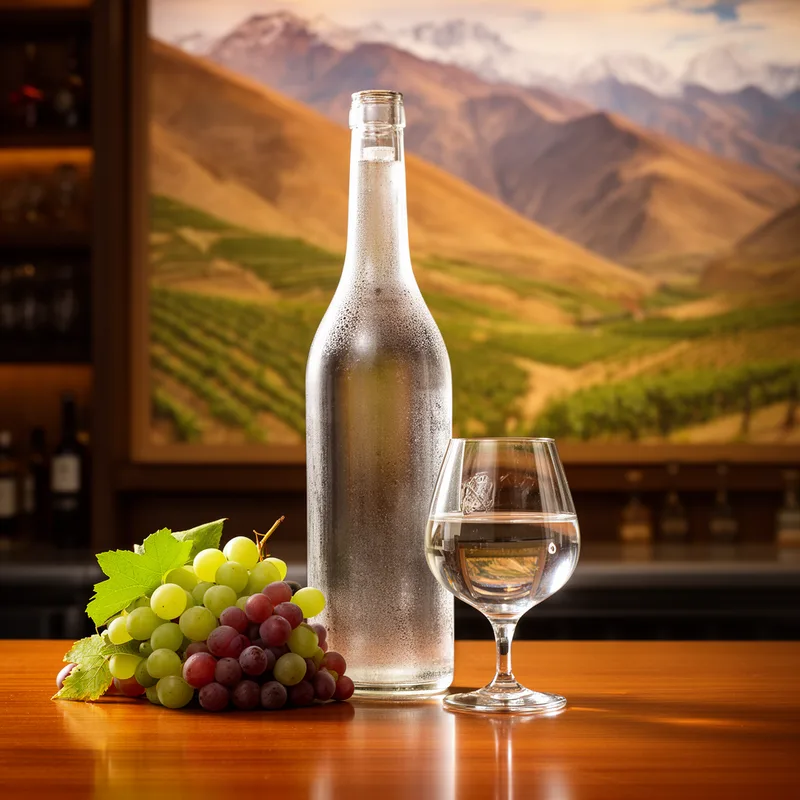
pisco
 1
8.8

- noun
- /ˈpɪskoʊ/
- The two largest importers of Peruvian pisco in 2009 were the United States (69,574 liters) and, interestingly, Chile (51,978 liters).
- Peruvian pisco
- Chilean pisco
- pisco production
Examples
-
Although consumers often drink pisco straight, a mixed drink called a "pisco sour" is also popular.
Academic text (2011) -
The pisco question is one of several cultural and economic issues born out of this nineteenth-century conflict.
Academic text (2011) -
-How about a pisco sour?
-
More recently, however, the Peruvian state has placed heavier emphasis on and control over pisco growth and how pisco is produced.
Academic text (2011) -
Until recently, Peru had difficulty sustaining growth in its pisco industry.
Academic text (2011) -
In Peru, many people enjoy a refreshing pisco with their meals.
-
The local bar offers a variety of cocktails, but the best drink they serve is pisco.
-
When visiting Chile, be sure to try the traditional pisco made from local grapes.
Synonyms
 84
2.7
A strong alcoholic drink made from wine or fruit juice and often aged in wood
 1
9.5
A strong alcoholic drink made from apples in Normandy, France
 1
9.9
A strong clear plum brandy from the Balkans in Central and Eastern Europe

 1
9.6
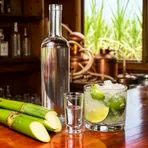
A Brazilian alcoholic drink made by distilling fermented sugarcane juice
Surface Forms
Etymology
The word pisco for the clear grape brandy comes from the Peruvian port Pisco, where the drink was bottled and sent abroad. A helpful image to remember it is a bottle with a bird on the label, because the local Quechua word pisqu means 'bird' and may be the older source of the name.