
phytomer


 1
9.9
- noun
- /ˈfaɪtəˌmɜr/
- Specialized
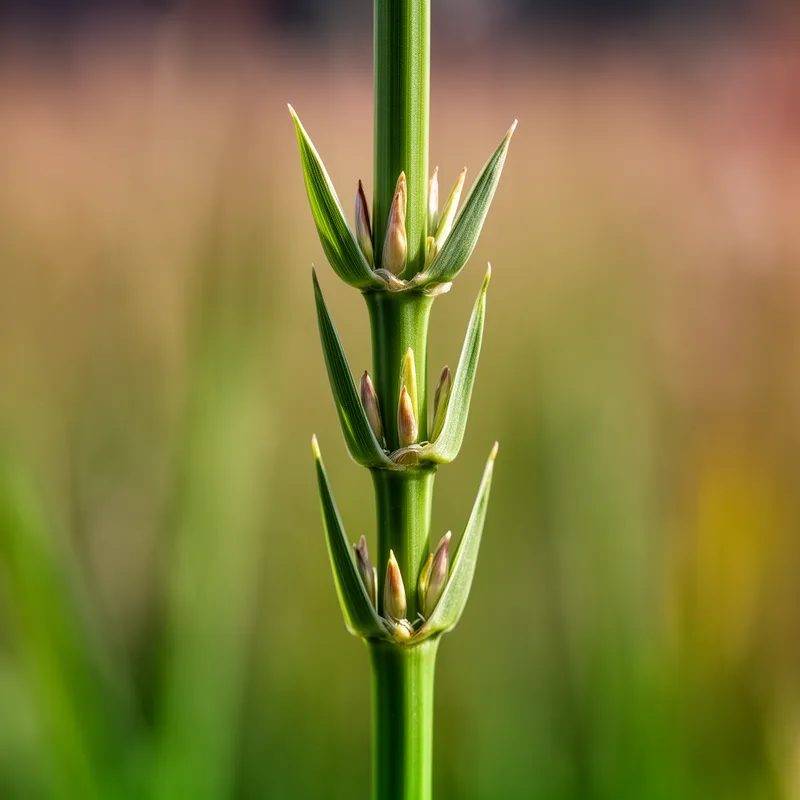
- Each phytomer in the grass stem consists of a node, internode, and leaf.
Examples
-
The arrangement of phytomers affects the overall shape and function of the plant.
-
Botanists study how phytomers develop to understand plant growth patterns.
-
Each phytomer plays a crucial role in the plant's growth.
-
The phytomers of this species are particularly well-developed.
-
Each phytomer in the grass stem consists of a node, internode, and leaf.
-
Botanists study how phytomers develop to understand plant growth patterns.
-
The arrangement of phytomers affects the overall shape and function of the plant.
Surface Forms
Morphology
phytomer = phyto + mer
Formed from technical Greek combining forms ('phyto-' = plant, '-mer' = part) that are not standalone English words, so the internal structure is not obvious to an average B1 learner.
Etymology
Phytomer comes from Greek parts phyto- meaning 'plant' and -mer meaning 'part', the same -mer you see in polymer and monomer. So a phytomer is a 'plant part' that repeats along a stem, each unit usually including a leaf, a bud, and a short piece of stem.