
phytolith


 1
9.9
- noun
- /ˈfaɪtəˌlɪθ/
- Specialized
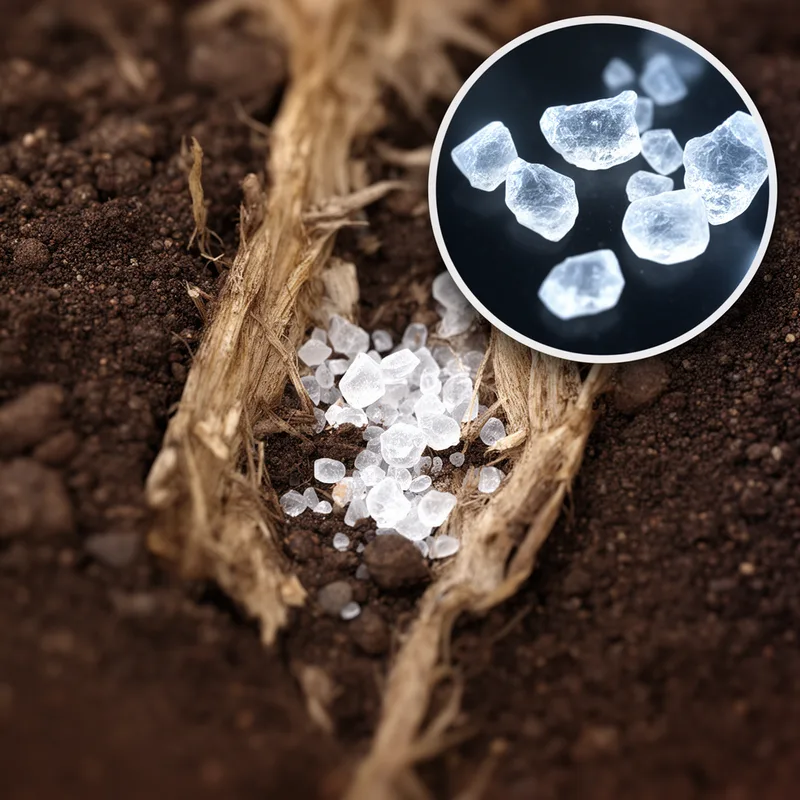
- Whereas the plant dies and decays, phytoliths are virtually indestructible and so become incorporated into sediment cores.
- banana phytoliths
- found a phytolith
- phytoliths form
Examples
-
Scientists discovered numerous phytoliths in the soil, indicating that ancient plants once thrived in the area.
-
At least thirty phytoliths were found on the teeth, most of them on the molar.
Academic text (1991) -
There was no way to prove this, though, until archaeologists found banana phytoliths in dated African sites.
Academic text (2006) -
We also detected tiny scratches apparently left by phytoliths, which are harder than tooth enamel.
Academic text (1991) -
Happily, different families, and sometimes even species, of plants produce phytoliths of distinctly different shapes; for example, those of maize, which we found near the top of some of our cores, have a distinctive cross-shape.
Academic text (2006) -
To learn where the crop plants found at Çatalhöyük were grown, we examined the evidence for phytoliths—silica skeletons that form inside and sometimes around the cells of grasses and other plants.
Academic text (2006) -
The study revealed that each type of plant leaves behind unique phytoliths that can help identify its species after decay.
-
Archaeologists use phytoliths to learn about the diets of past civilizations by examining the remains found in their settlements.
Surface Forms
Morphology
phytolith = phyto + lith
Although analyzable into specialized combining forms meaning 'plant' + 'stone', these are technical morphemes not productive standalone English words, so the meaning is not transparently deducible by average learners.
Etymology
Phytolith comes from Greek parts phyto- meaning 'plant' and -lith meaning 'stone', so it literally means 'plant stone'. That's why phytoliths are tiny, stone-like bits that plants make and leave in the soil, often staying long after the plant is gone.