
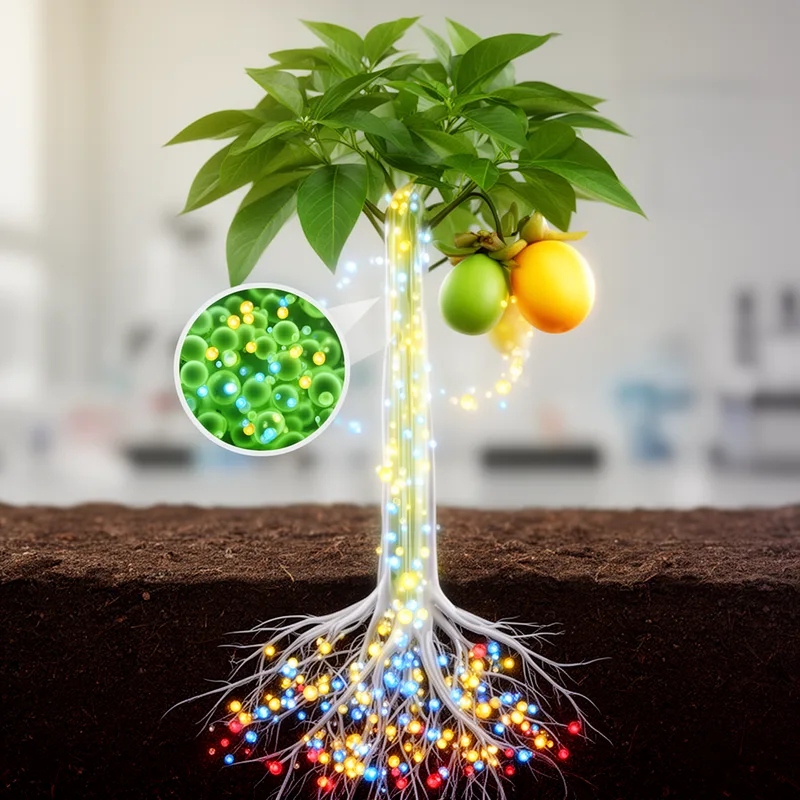
phytohormone
- noun
- /ˌfaɪtoʊˈhɔːrmoʊn/
- Specialized
- The phytohormone auxin is crucial for cell elongation.
Examples
-
A higher concentration of the phytohormone gibberellin can promote seed germination.
-
Auxin is a well-known phytohormone involved in root development.
-
Ethylene, a gaseous phytohormone, plays a key role in fruit ripening.
-
Research on phytohormones has advanced our understanding of plant growth mechanisms.
-
Many phytohormones are involved in plant responses to stress.
-
The phytohormone auxin influences stem elongation in plants.
-
In agriculture, applying the phytohormone ethylene can enhance fruit ripening.
Synonyms


 1
3.8
1
3.8
A natural chemical in plants that controls their growth and responses

A natural or man-made substance in plants that controls how they grow and develop
Surface Forms
Morphology
Etymology
The word phytohormone combines phyto- meaning 'plant' and hormone, a word for a chemical that 'urges' or 'moves' processes in a living thing. So a phytohormone is a plant's own chemical messenger that tells it when to grow, make roots, or ripen fruit.