
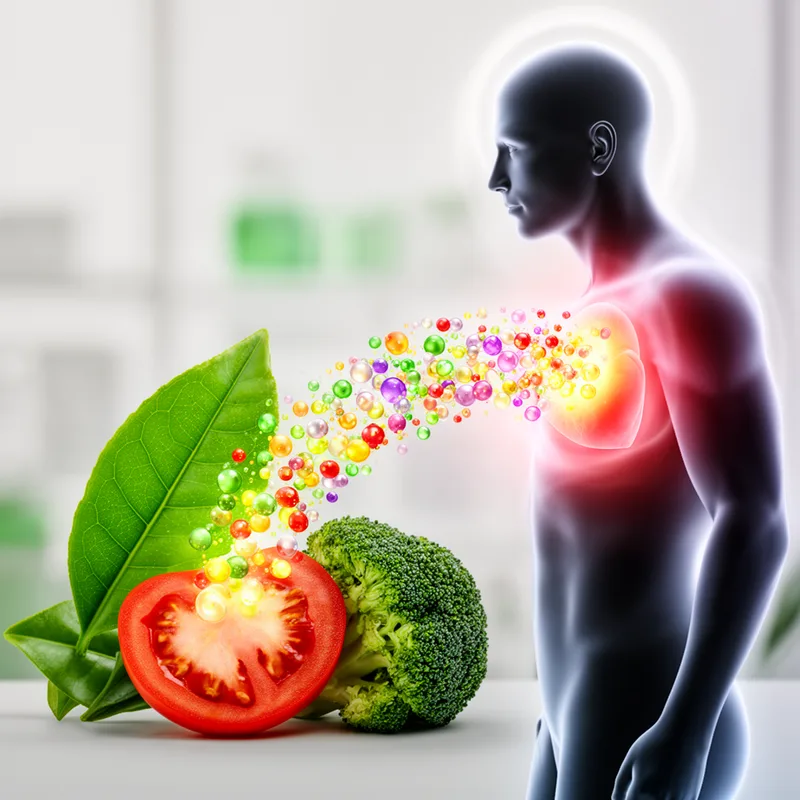
phytochemical


 1
7.5
1
7.5
- noun
- /ˌfaɪtəˈkɛmɪkəl/
- Specialized
- The deep yellow color of mango fruits is due to the presence of beta carotene, a common phytochemical within a group of 600 known carotenoids.
- phytochemical that protects
- contains phytochemical
- phytochemical that helps
Loading YouTube…
Watch on YouTubeAnd the, the germ is where a lot of the antioxidants and phytochemicals, vitamins and minerals are.
- And the, the germ is where a lot of the antioxidants and phytochemicals, vitamins and minerals are.
- Try to get the vitamins, minerals and phytochemicals it whenever possible from food.
- And the different phytochemicals are what feed the, the, the different microbes in your gut.
- So it turns out that all plants contain something called anti nutrients and other things called phytochemicals.
- You might see higher levels of various phytochemicals in organic because these plants essentially develop defense compounds, right?
Examples
-
Broccoli is loaded with this phytochemical, which helps zap certain carcinogens.
-
A phytochemical (phenols) in pumpkin also helps relax blood vessels, and that lowers blood pressure.
Blog text (12) -
You might see higher levels of various phytochemicals in organic because these plants essentially develop defense compounds, right?
-
So what phytochemicals should we be eating and where doth we find them?
-
Try to get the vitamins, minerals and phytochemicals it whenever possible from food.
-
There are many vitamins, minerals, and phytochemical supplements presently available.
Academic text (2008) -
This P450 degrades gossypol, an antiherbivore phytochemical produced by cotton.
Academic text (2013) -
Davidiin, a phytochemical extracted from P. capitatum, has been shown to inhibit hepatocellular carcinoma (HCC) growth and possess anti-cancer properties.
Academic text (2017) -
Stephen Bou, a chemist with ARS, studied soy's intriguing phytochemical makeup at the agency's Southern Regional Research Center (SRRC) in New Orleans, Louisiana.
Academic text (2006) -
Carrots are packed with falcarinol, a phytochemical that may help protect you against colon cancer.
Synonyms
 2
6.8
2
6.8
Natural substances in plants that help protect your health when you eat them
A substance often found in plants or food that affects living things
Surface Forms
Morphology
Etymology
Phytochemical comes from the prefix phyto- meaning 'plant' and the word chemical, so it literally means a 'plant chemical'. So, a phytochemical is a natural substance made by plants, like those in fruits and vegetables, that people study for possible health effects.