
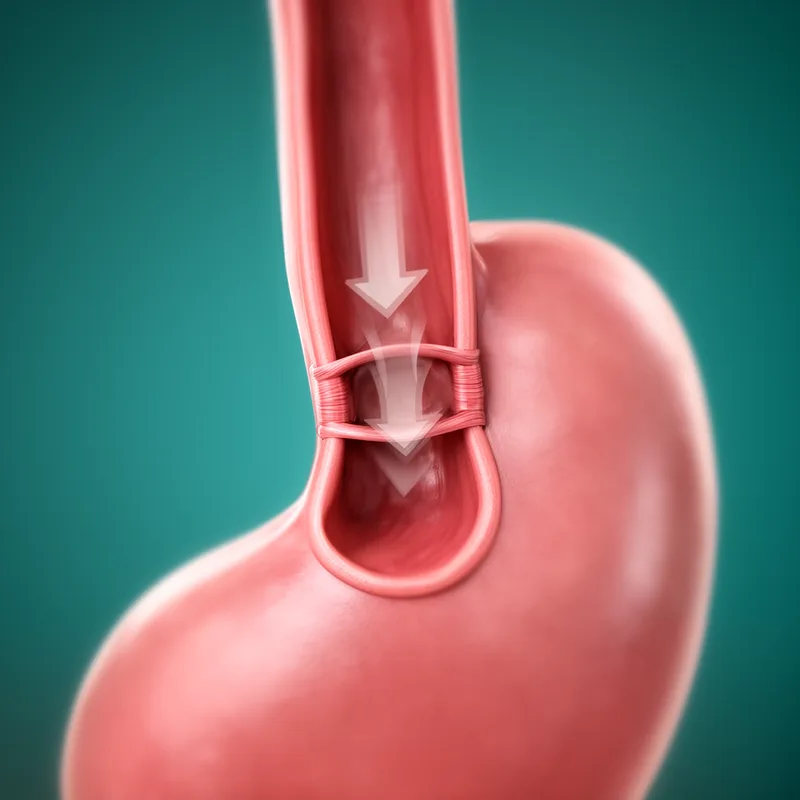
physiological sphincter
- noun
- /ˌfɪziəˈlɑːdʒɪkəl ˈsfɪŋktər/
- Specialized
- Unlike an anatomical sphincter, a physiological sphincter is not visible as a distinct muscle band at autopsy.
Examples
-
The lower esophageal physiological sphincter prevents acid reflux into the esophagus.
-
Doctors rely on manometry tests to assess the function of a physiological sphincter.
-
The physiological sphincter plays a crucial role in digestion.
-
Many doctors study the function of the physiological sphincters in the body.
-
The lower esophageal physiological sphincter prevents acid reflux into the esophagus.
-
Doctors rely on manometry tests to assess the function of a physiological sphincter.
-
Many doctors study the function of the physiological sphincters in the body.
How Anatomical
- Specialized

- Specialized
- Specialized
Surface Forms
Morphology
The meaning is directly compositional: 'physiological' (relating to bodily functions) modifies 'sphincter' (a muscle that controls an opening), so a 'physiological sphincter' is a sphincter defined by its physiological/functioning role. Although the term is technical, its sense follows regular adjective + noun semantics and would be predictable to a learner who knows both constituents.
Etymology
Physiological sphincter comes from the idea that a sphincter is known by its physiological action — a ring that closes because of what it does even if you cannot see a separate muscle band. So, it means a closing ring identified by its 'function', not by a visible muscle.

